
For the English version scroll down
Scarica il programma / Download the program
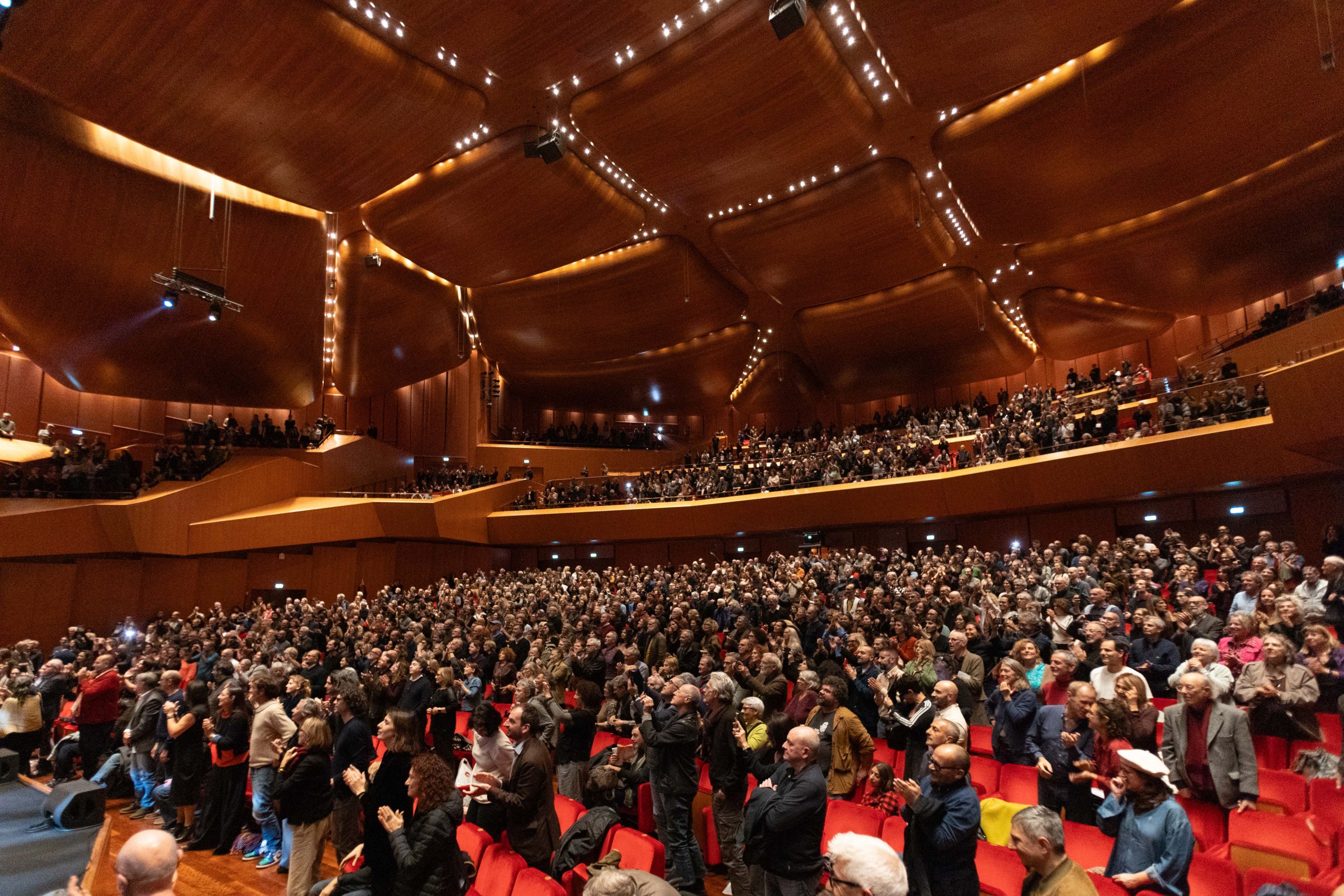
Si è conclusa, con il gran finale musicale guidato da Ryoji Ikeda e Kruder & Dorfmeister, la quarantesima edizione del Romaeuropa Festival. 60.000 le presenze registrate nei suoi oltre due mesi di programmazione.
Le prime anticipazioni del REF26: il ritorno a Romaeuropa di Romeo Castellucci, della compagnia (LA)HORDE e la nuova esecuzione del The Köln Concert di Keith Jarrett.
A quarant’anni dalla sua nascita, l’utopia artistica di Romaeuropa resta un invito aperto a guardare avanti, a esplorare nuovi linguaggi, generazioni e immaginari.
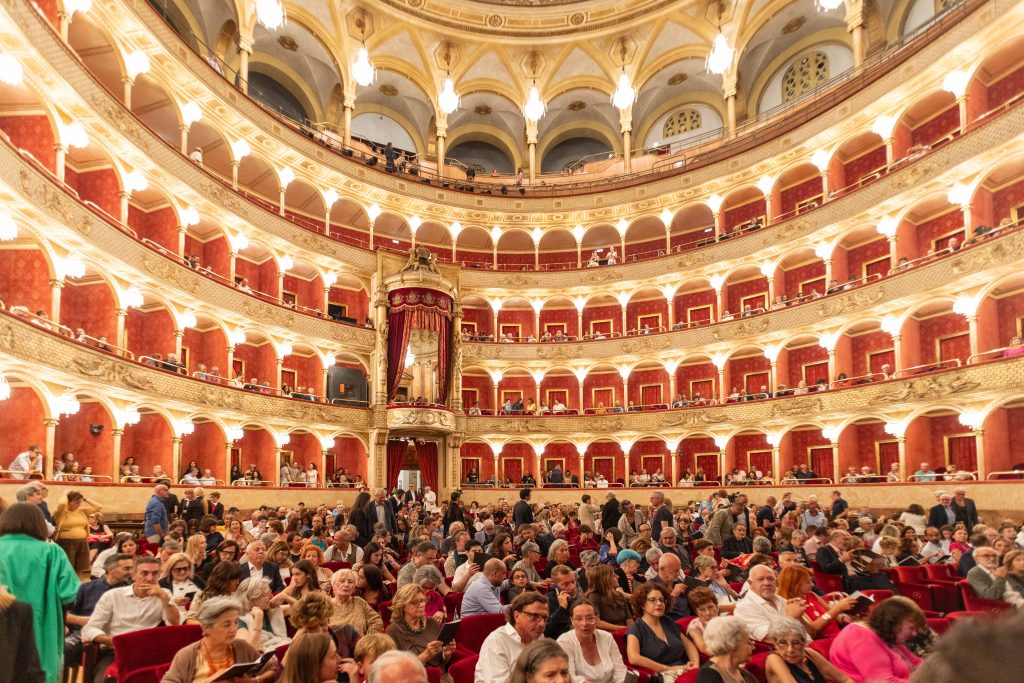
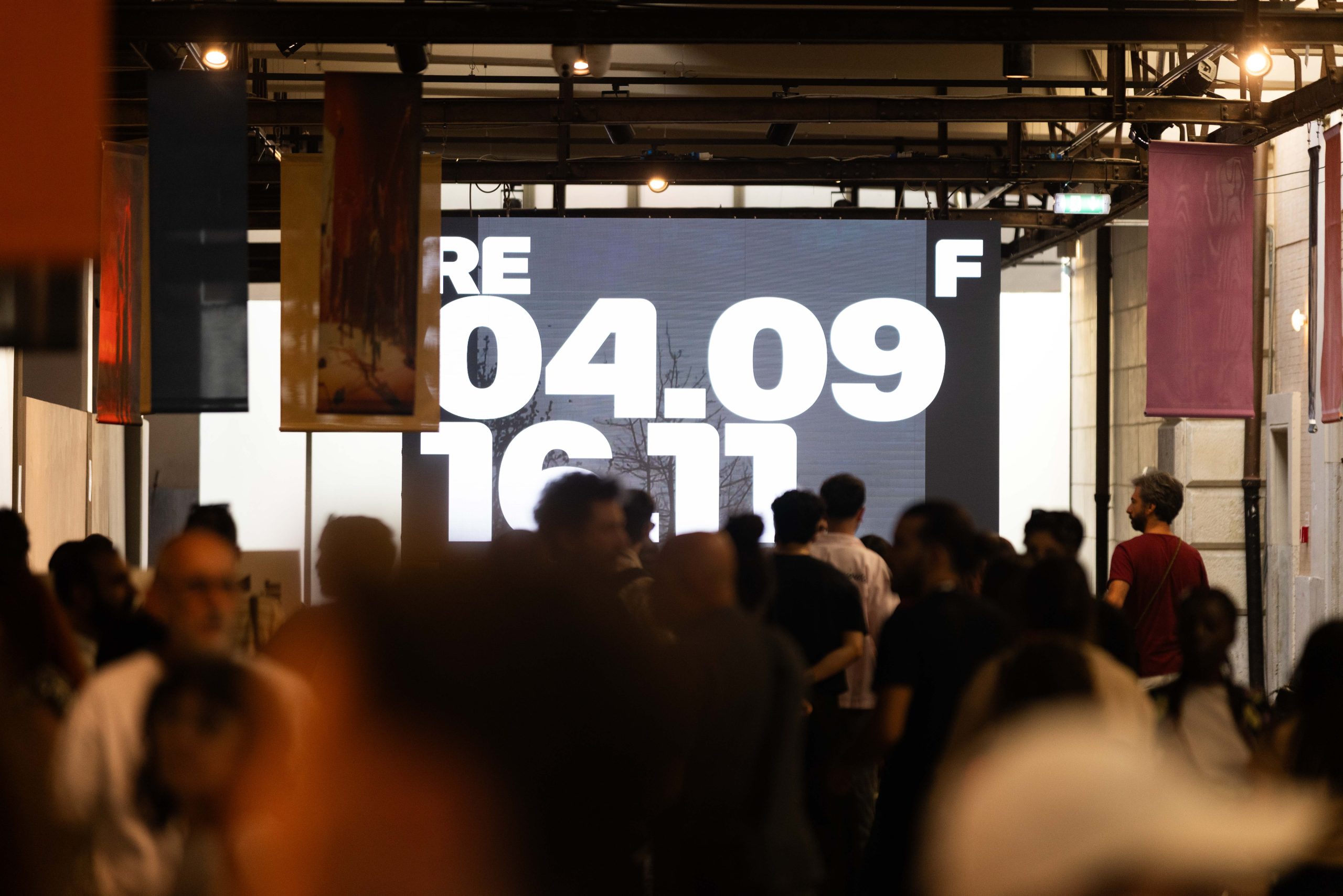
Avviata il 4 settembre, in oltre due mesi di programmazione la quarantesima edizione del Romaeuropa Festival ha registrato più di 60.000 presenze ai suoi 110 spettacoli, 30 eventi gratuiti e 282 repliche, ospitando oltre 700 artiste e artisti da tutto il mondo. La città si è trasformata in un crocevia di danza, musica, teatro, arti digitali e creazioni per l’infanzia, affermando il Festival, fondato nel 1986 da Monique Veaute e oggi guidato da Fabrizio Grifasi, come un laboratorio vivo di dialogo e incontro culturale.
«Romaeuropa continua a essere uno spazio di incontri e scoperte, dove artisti e pubblico si confrontano con linguaggi diversi e dove dialogano più generazioni artistiche. Ringraziamo il Ministero della Cultura, la Regione Lazio e Roma Capitale che anche quest’anno hanno reso possibile questo percorso insieme alle Ambasciate e agli Istituti di Cultura che partecipano al Festival e ne rappresentano appieno lo spirito internazionale» commenta il Presidente della Fondazione Romaeuropa Guido Fabiani.
«Romaeuropa è una utopia artistica realizzata per l’innovazione che è possibile anche grazie alla rete di collaborazioni i teatri e le istituzioni pubbliche e private della città che rendono possibili i nostri differenti percorsi: la Fondazione Teatro di Roma, l’Accademia Nazionale di Santa Cecilia, il Teatro dell’Opera di Roma, il Mattatoio con Azienda Speciale Palaexpo e Fondazione Mattatoio, Il MAXXI – Museo nazionale delle arti del XXI secolo e poi gli spazi privati come l’Auditorium Conciliazione, il Teatro Brancaccio o il Teatro Vascello e dal prossimo anno anche il Teatro Olimpico» prosegue il direttore Generale e Artistico Fabrizio Grifasi, anticipando alcuni degli appuntamenti che animeranno il festival nel 2026: «Ci ritroveremo a settembre per la quarantunesima edizione del Festival e possiamo già anticipare alcuni appuntamenti: il ritorno a Romaeuropa di Romeo Castellucci, quello della compagnia (LA)HORDE, che quest’anno ha incantato per la prima volta il pubblico di Romaeuropa; l’esecuzione di The Köln Concert, eseguita alla Philharmonie de Paris e al Barbican e approvata dallo stesso Keith Jarrett, con due pianisti d’eccezione come Maki Namikawa e Thomas Enhco. Un ringraziamento speciale va a tutto il team del REF che ogni anno rende possibile questa utopia».
Tra grandi ritorni e nuove proposte il Festival ha costruito i suoi percorsi mettendo a confronto generazioni e linguaggi: dalle prestigiose compagnie europee come il Ballet Nacional de España, la Dresden Frankfurt Dance Company e il Ballet National de Marseille, alle icone internazionali della musica come Laurie Anderson, Stefano Bollani con Alessandro Baricco, Kruder & Dorfmeister, Kae Tempest, Ryoji Ikeda, Blixa Bargeld con la compagnia danese Hotel Pro Forma; dai cine-concerti dedicati al film cult Whiplash di Damien Chazelle (al suo decimo anniversario) e La Haine (L’odio) di Mathieu Kassovitz musicato da Asian Dub Foundation (per i suoi trent’anni), agli omaggi per i 100 anni di Luciano Berio e al minimalismo americano con John Adams (presentato dall’Accademia Nazionale di Santa Cecilia) o ai concerti di Christophe Chassol in dialogo con le musiche di Steve Reich, Ensemble Decoder (con Accademia Tedesca a Roma – Villa Massimo) e Lorenzo Bianchi Hoesh con Fabrizio Cassol. E poi i rappresentanti della scena internazionale della danza e del teatro come William Forsythe, Ioannis Mandafounis, Marcos Morau, (LA)HORDE, Miet Warlop, Qudus Onikeku, Moritz Ostruschnjak, Anne Teresa De Keersmaeker con Rabih Mrouè, Akram Khan con Manal AlDowayan, i taiwanesi U-Theatre, Christos Papadopoulos, Israel Galvan con Mohamed El Khatib, BERLIN, Milo Rau, Lia Rodrigues, Caroline Guiela Nguyen, Louise Lecavalier e quelli della scena nazionale come Fanny & Alexander, Fabiana Iacozzilli, Gabriele Paolocà con Claudia Marsicano, Muta Imago, Panzetti / Ticconi, KOR’SIA, Federica Rosellini e Motus e tutte le attività del nuovo progetto ULTRA REF che, tra creatività emergente e nuovi formati, ha rafforzato, al Mattatoio di Testaccio, la propensione del Festival all’innovazione, alla collaborazione, al futuro anche attraverso le sue sezioni Ultra Club, Design Talks, Dancing Days, Anni Luce e REF Kids & Family.
L’ideazione dell’intero programma prodotto dalla Fondazione Romaeuropa, presieduta da Guido Fabiani con la vicepresidenza di Monique Veaute e diretta da Fabrizio Grifasi, e? stata possibile grazie al contributo del Ministero della Cultura, della Regione Lazio, di Roma Capitale, della Camera di Commercio di Roma e della Fondazione Roma. È stata inoltre rinnovata la partnership con Dance Reflections by Van Cleef & Arpels per la danza contemporanea. I percorsi dedicati alla scena spagnola sono stati costruiti con il sostegno di Ambasciata di Spagna in Italia, Instituto Cerventes e Banca Ifis nell’ambito dei 160 anni delle relazioni diplomatiche tra Italia e Spagna. Il focus dedicato alla scena fiamminga è stato realizzato con Flanders State of The Art, nell’ambito della partnerhip triennale (2023-2025) mentre il focus Arte e Cultura Lituana in Italia è stato costruito con Istituto di Cultura Lituano e Ambasciata della Repubblica Lituana nella Repubblica Italiana. Il Romaeuropa Festival 2025 è realizzato con Teatro dell’Opera di Roma, Accademia Nazionale di Santa Cecilia, Fondazione Teatro di Roma, Accademia Tedesca Roma – Villa Massimo, Villa Medici – Accademia di Francia a Roma, Azienda Speciale Palaexpo – Mattatoio, Fondazione Cinema per Roma, MAXXI – Museo delle arti del XXI secolo, Fondazione Musica per Roma, Auditorium Conciliazione, Teatro Vascello – La Fabbrica dell’Attore, Teatro Brancaccio, Short Theatre. Sostengono e patrocinano il Festival l’Ambasciata di Germania e il Goethe-Institut, l’Institut Français – Fondazione Nuovi Mecenati – Ambasciata di Francia in Italia, l’Institut Ramon Llull e il Governo della Catalogna, il Fonds Podium Kunsten – Performing Art Found NL e l’Ambasciata dei Paesi Bassi, l’Ambasciata del Belgio, il British Council, la Reale Ambasciata di Danimarca a Roma e l’Accademia di Danimarca, l’Ambasciata di Grecia a Roma, la Rappresentanza del Québec oltre alla rete Aerowaves cofinanziata dall’Unione Europea.
Anche quest’anno RAI è tornata come Main Media Partner del Romaeuropa Festival.
Romaeuropa Festival: the 40th edition comes to a close and eyes are already on the future
The 40th edition of the Romaeuropa Festival has concluded with a grand musical finale led by Ryoji Ikeda and Kruder & Dorfmeister. Over the more than two months of programming, the festival recorded 60,000 attendees.
First previews of REF26: the return to Romaeuropa of Romeo Castellucci, the company (LA)HORDE, and a new performance of Keith Jarrett’s The Köln Concert.
Forty years after its founding, the artistic utopia of Romaeuropa remains an open invitation to look ahead and explore new languages, generations, and imaginaries.
Launched on September 4, the fortieth edition of the Romaeuropa Festival recorded more than 60,000 attendees across 110 shows, 30 free events, and 282 performances, hosting over 700 artists from around the world. The city was transformed into a crossroads of dance, music, theater, digital arts, and creations for children, reaffirming the Festival—founded in 1986 by Monique Veaute and now directed by Fabrizio Grifasi—as a lively laboratory of cultural dialogue and exchange.
“Romaeuropa continues to be a space for encounters and discoveries, where artists and audiences engage with different languages and where multiple artistic generations converse. We thank the Ministry of Culture, the Lazio Region, and Roma Capitale, who once again made this path possible, along with the Embassies and Cultural Institutes that participate in the Festival and fully represent its international spirit,” says Guido Fabiani, President of the Romaeuropa Foundation.
“Romaeuropa is a realized artistic utopia of innovation, made possible thanks to a network of collaborations with the theaters and public and private institutions of the city that support our various pathways: the Fondazione Teatro di Roma, the Accademia Nazionale di Santa Cecilia, the Teatro dell’Opera di Roma, the Mattatoio with Azienda Speciale Palaexpo and Fondazione Mattatoio, the MAXXI – National Museum of 21st Century Arts, as well as private venues such as Auditorium Conciliazione, Teatro Brancaccio, Teatro Vascello, and from next year the Teatro Olimpico,” continues General and Artistic Director Fabrizio Grifasi, offering a preview of some of the events that will shape the 2026 festival: “We will meet again in September for the 41st edition of the Festival, and we can already announce several highlights: the return of Romeo Castellucci, and that of the company (LA)HORDE, which this year captivated the Romaeuropa audience for the first time; the performance of The Köln Concert, presented at the Philharmonie de Paris and the Barbican and approved by Keith Jarrett himself, featuring two exceptional pianists, Maki Namikawa and Thomas Enhco. A special thanks goes to the entire REF team, which every year makes this utopia possible.”
Balancing major returns and new proposals, the Festival shaped its programs by bringing generations and artistic languages into dialogue: from prestigious European companies such as Ballet Nacional de España, Dresden Frankfurt Dance Company, and Ballet National de Marseille to international music icons such as Laurie Anderson, Stefano Bollani with Alessandro Baricco, Kruder & Dorfmeister, Kae Tempest, Ryoji Ikeda, and Blixa Bargeld with Danish company Hotel Pro Forma; from cine-concerts dedicated to the cult films Whiplash by Damien Chazelle (on its tenth anniversary) and La Haine by Mathieu Kassovitz, scored live by Asian Dub Foundation (for its 30th anniversary), to tributes for the centenary of Luciano Berio and to American minimalism with John Adams (presented by the Accademia Nazionale di Santa Cecilia), as well as concerts by Christophe Chassol in dialogue with the music of Steve Reich, Ensemble Decoder (with the German Academy in Rome – Villa Massimo), and Lorenzo Bianchi Hoesh with Fabrizio Cassol. And then representatives of the international dance and theater scene such as William Forsythe, Ioannis Mandafounis, Marcos Morau, (LA)HORDE, Miet Warlop, Qudus Onikeku, Moritz Ostruschnjak, Anne Teresa De Keersmaeker with Rabih Mroué, Akram Khan with Manal AlDowayan, Taiwan’s U-Theatre, Christos Papadopoulos, Israel Galván with Mohamed El Khatib, BERLIN, Milo Rau, Lia Rodrigues, Caroline Guiela Nguyen, Louise Lecavalier—as well as Italian artists such as Fanny & Alexander, Fabiana Iacozzilli, Gabriele Paolocà with Claudia Marsicano, Muta Imago, Panzetti / Ticconi, KOR’SIA, Federica Rosellini, Motus, and all the activities of the new ULTRA REF project, which—between emerging creativity and new formats—strengthened the Festival’s commitment to innovation, collaboration, and the future at the Mattatoio in Testaccio through its sections Ultra Club, Design Talks, Dancing Days, Anni Luce, and REF Kids & Family.
The conception of the entire program produced by the Romaeuropa Foundation, chaired by Guido Fabiani with Monique Veaute as vice president and directed by Fabrizio Grifasi, was made possible thanks to the contribution of the Ministry of Culture, the Lazio Region, Roma Capitale, the Rome Chamber of Commerce, and the Fondazione Roma. The partnership with Dance Reflections by Van Cleef & Arpels for contemporary dance was also renewed. The pathways dedicated to the Spanish scene were developed with the support of the Embassy of Spain in Italy, Instituto Cervantes, and Banca Ifis, as part of the 160th anniversary of diplomatic relations between Italy and Spain. The focus on the Flemish scene was realized with Flanders State of the Art, within the 2023–2025 three-year partnership, while the focus on Lithuanian Art and Culture in Italy was organized with the Lithuanian Culture Institute and the Embassy of the Republic of Lithuania in Italy. The Romaeuropa Festival 2025 is produced with the Teatro dell’Opera di Roma, Accademia Nazionale di Santa Cecilia, Fondazione Teatro di Roma, the German Academy in Rome – Villa Massimo, Villa Medici – French Academy in Rome, Azienda Speciale Palaexpo – Mattatoio, Fondazione Cinema per Roma, MAXXI – National Museum of 21st Century Arts, Fondazione Musica per Roma, Auditorium Conciliazione, Teatro Vascello – La Fabbrica dell’Attore, Teatro Brancaccio, and Short Theatre. The Festival is supported and endorsed by the Embassy of Germany and the Goethe-Institut, the Institut Français – Fondazione Nuovi Mecenati – Embassy of France in Italy, the Institut Ramon Llull and the Government of Catalonia, the Fonds Podium Kunsten – Performing Arts Fund NL and the Embassy of the Netherlands, the Embassy of Belgium, the British Council, the Royal Danish Embassy in Rome and the Danish Academy, the Embassy of Greece in Rome, the Representation of Québec, and the Aerowaves network co-funded by the European Union.
RAI returned this year as the Main Media Partner of the Romaeuropa Festival.