


With Die schöne Magelone (The Beautiful Magelone), Johannes Brahms’ only true song cycle (Liederzyklus), the concert opens as a hybrid and strikingly theatrical form, suspended between love story, lyrical fragment, and performative device. Composed from 1861 onwards on texts drawn from Ludwig Tieck’s Wundersame Liebesgeschichte der schönen Magelone und des Grafen Peter von Provence, the cycle engages with an ancient and layered narrative material—moving between the Middle Ages, German Romanticism, and chivalric imaginaries—to transform it into a constellation of fifteen romances which, rather than recounting a story in linear fashion, preserve its emotional shifts, suspensions, and intensities.
It is precisely this fragmented nature, acknowledged by Brahms himself, that makes Die schöne Magelone such a singular work: not a closed cycle, but a kind of “pocket opera,” as the composer called it, in which action constantly slips away to make room for a dramaturgy of feeling. In this new interpretation, the fifteen romances performed by Gideon Poppe and Anh Trung Sam are interwoven with four insertions from Leitfaden für Verliebte by Sabine Scho, written as a contemporary response to Tieck’s text from the perspective of a present-day lover.
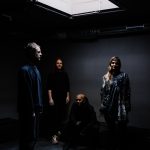
Further intensifying the friction between Romanticism and the present, the stage action by Julian Paschen, Berlin-based hair artist, introduces a live haircut performed during the concert, amplified through real-time filming by Per Lang and projections. An act at once ironic and unsettling, it reactivates one of the novella’s most unexpected details—the fact that Count Peter almost fails to recognise Magelone because of her hairstyle—turning it into the visual core of a story in which love, loss, disguise, and desire brush against paradox.
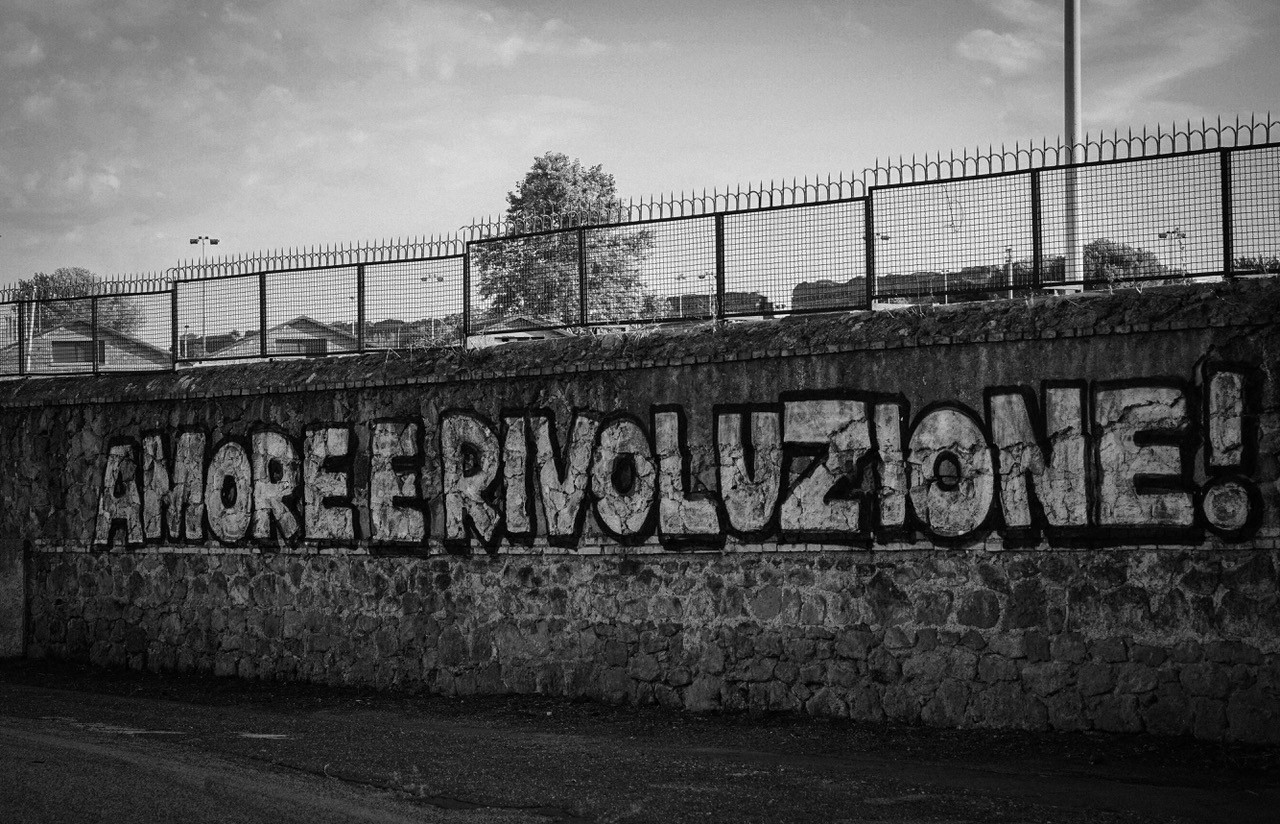
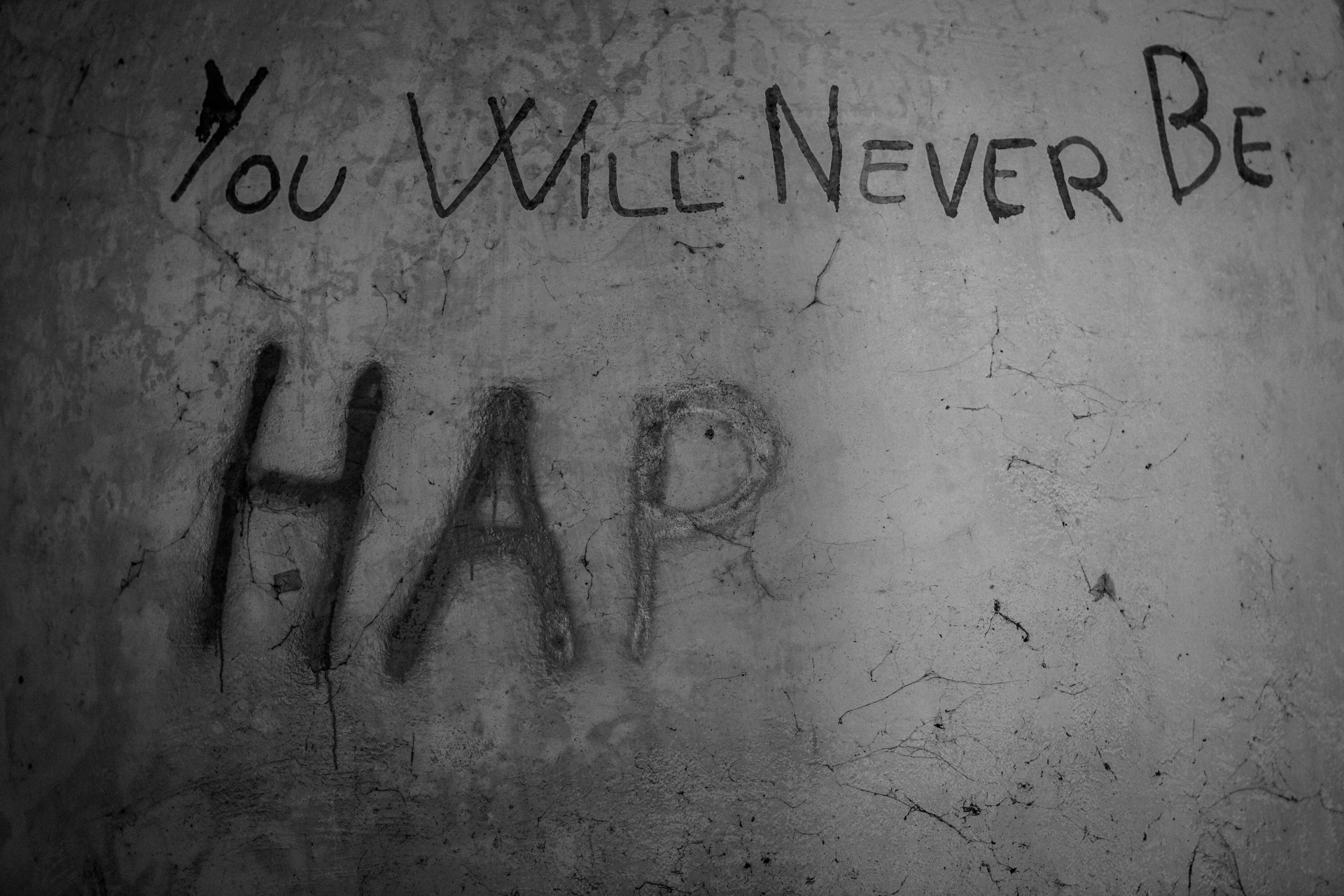
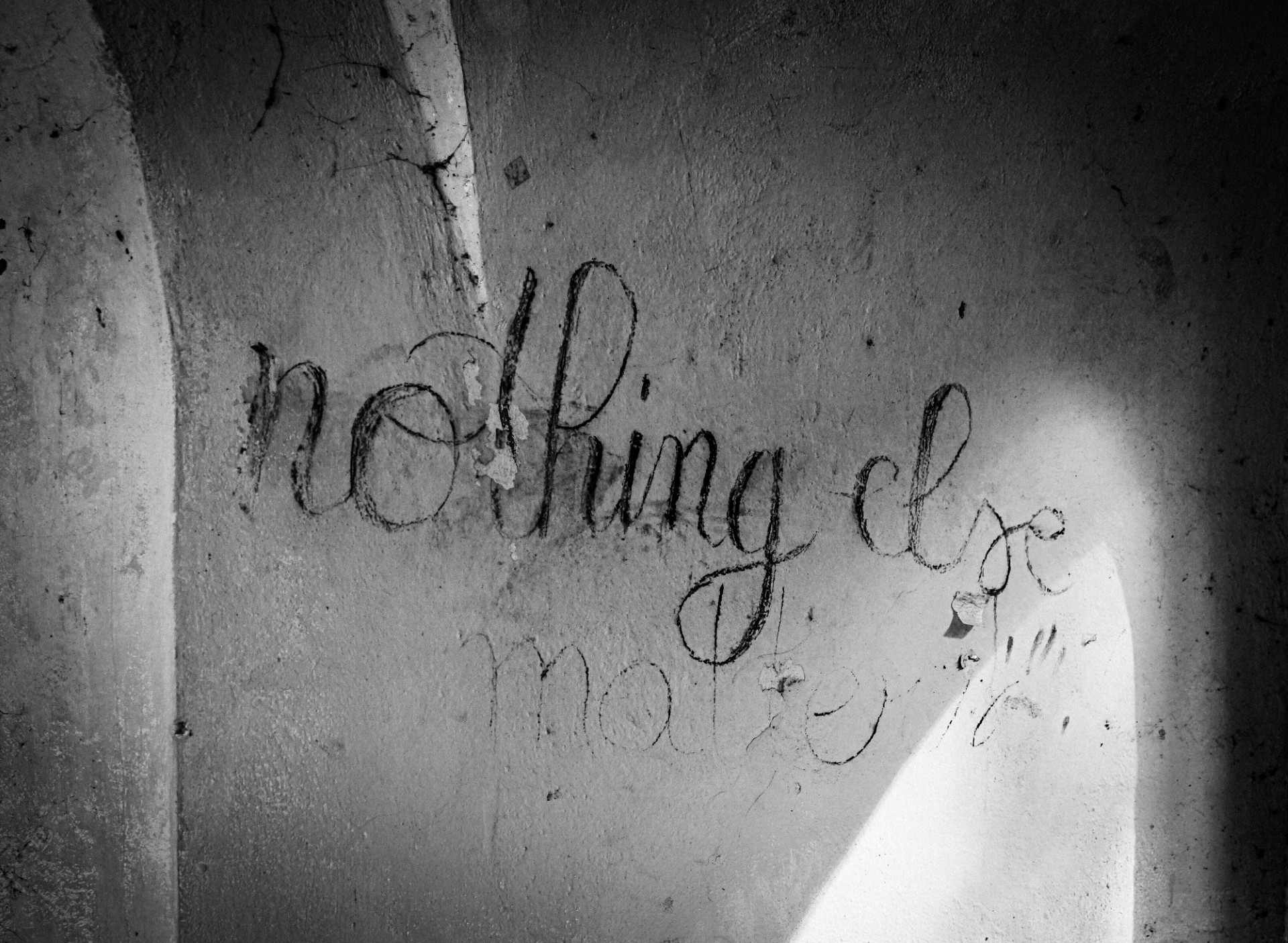
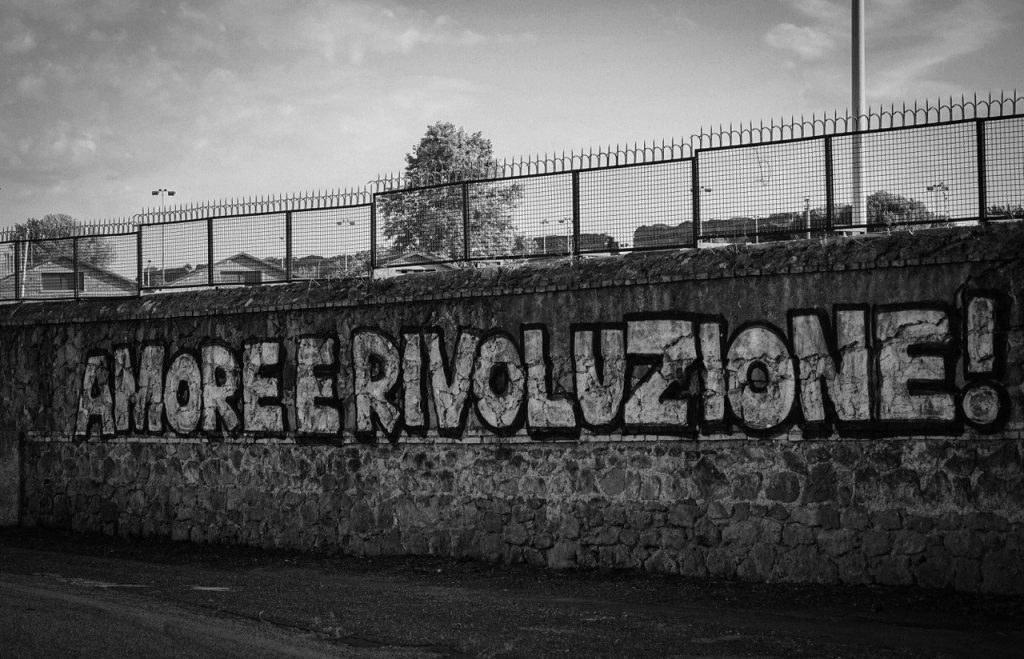
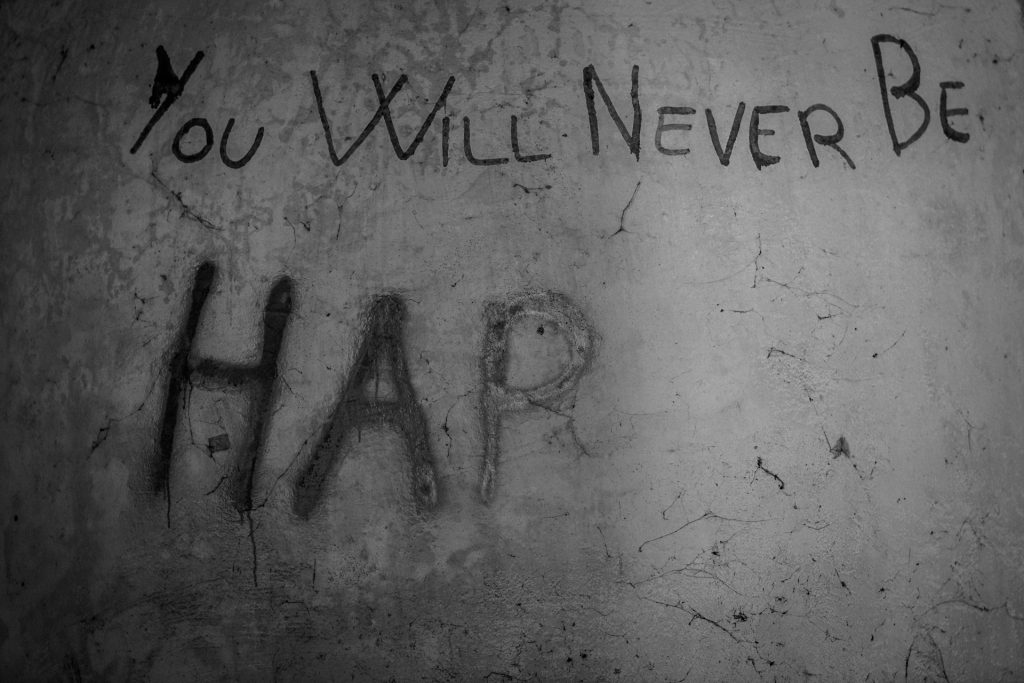
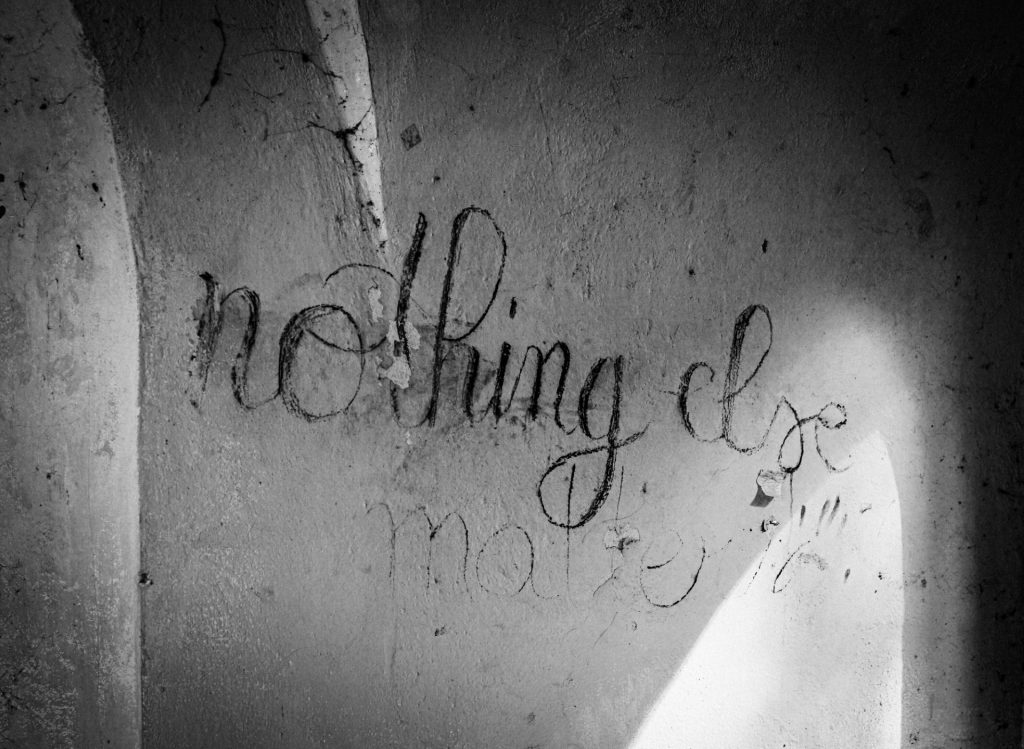
The performance is accompanied by photographs taken in Rome by Sabine Scho. The result is a layered stage device in which Lied, poetry, image, and performance meet in a deliberately unstable balance, revealing Brahms’ unexpected theatrical eccentricity in full.
tenor Gideon Poppe
piano Anh Trung Sam
poems, photography, acting Sabine Scho
hair cutting Julian Paschen
model n. n.
cameraman Per Lang