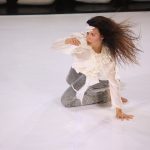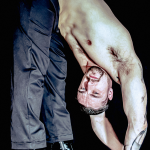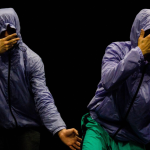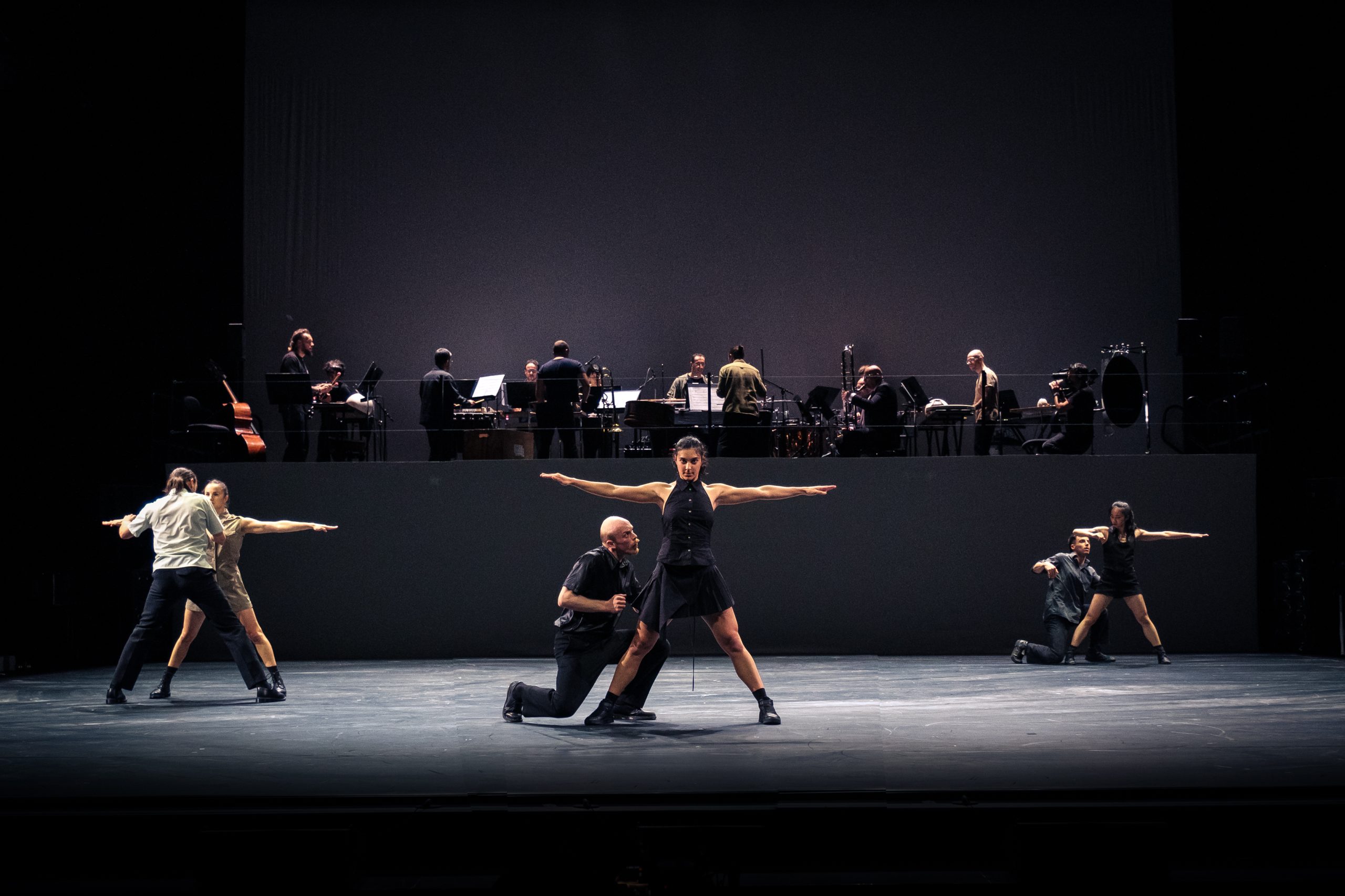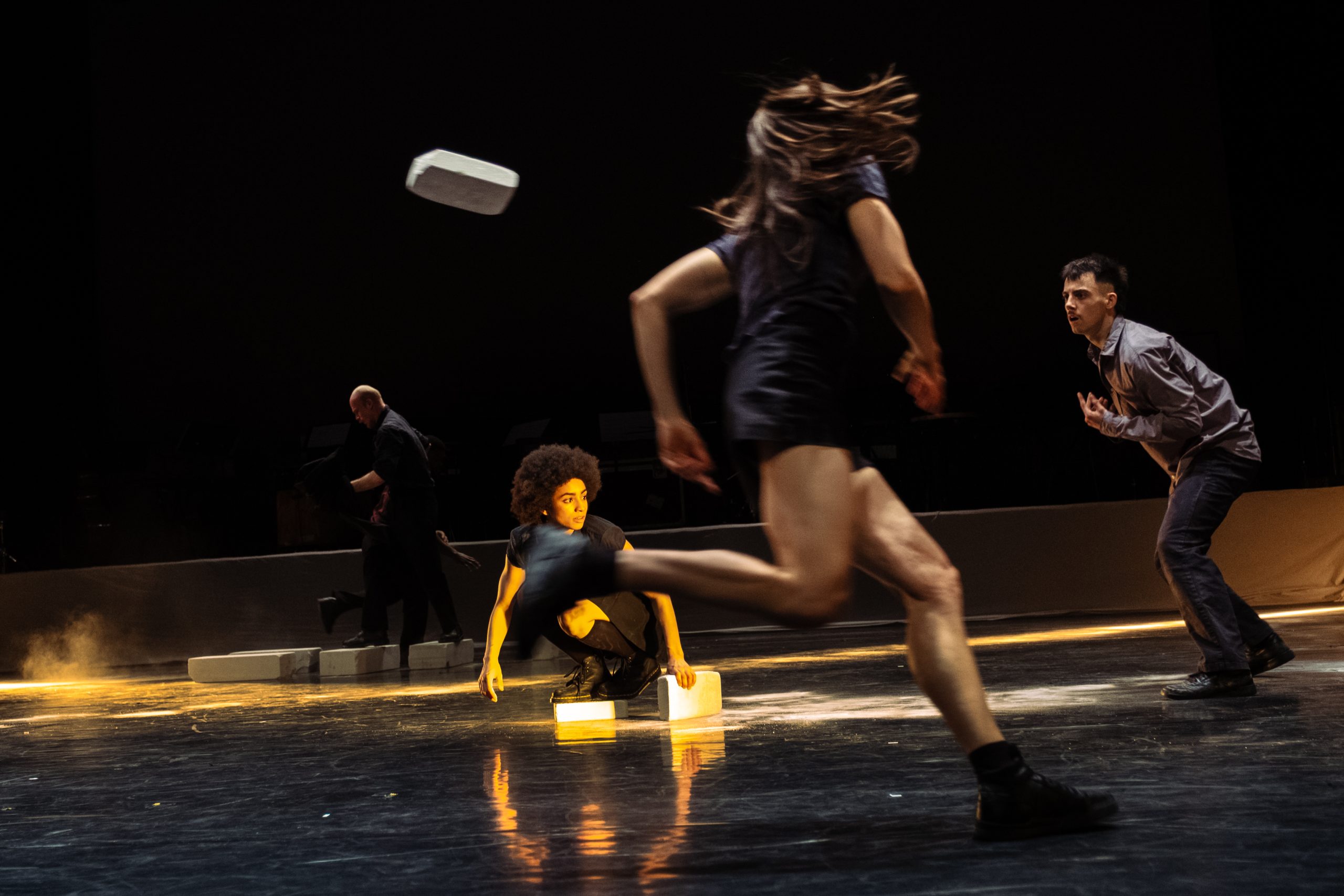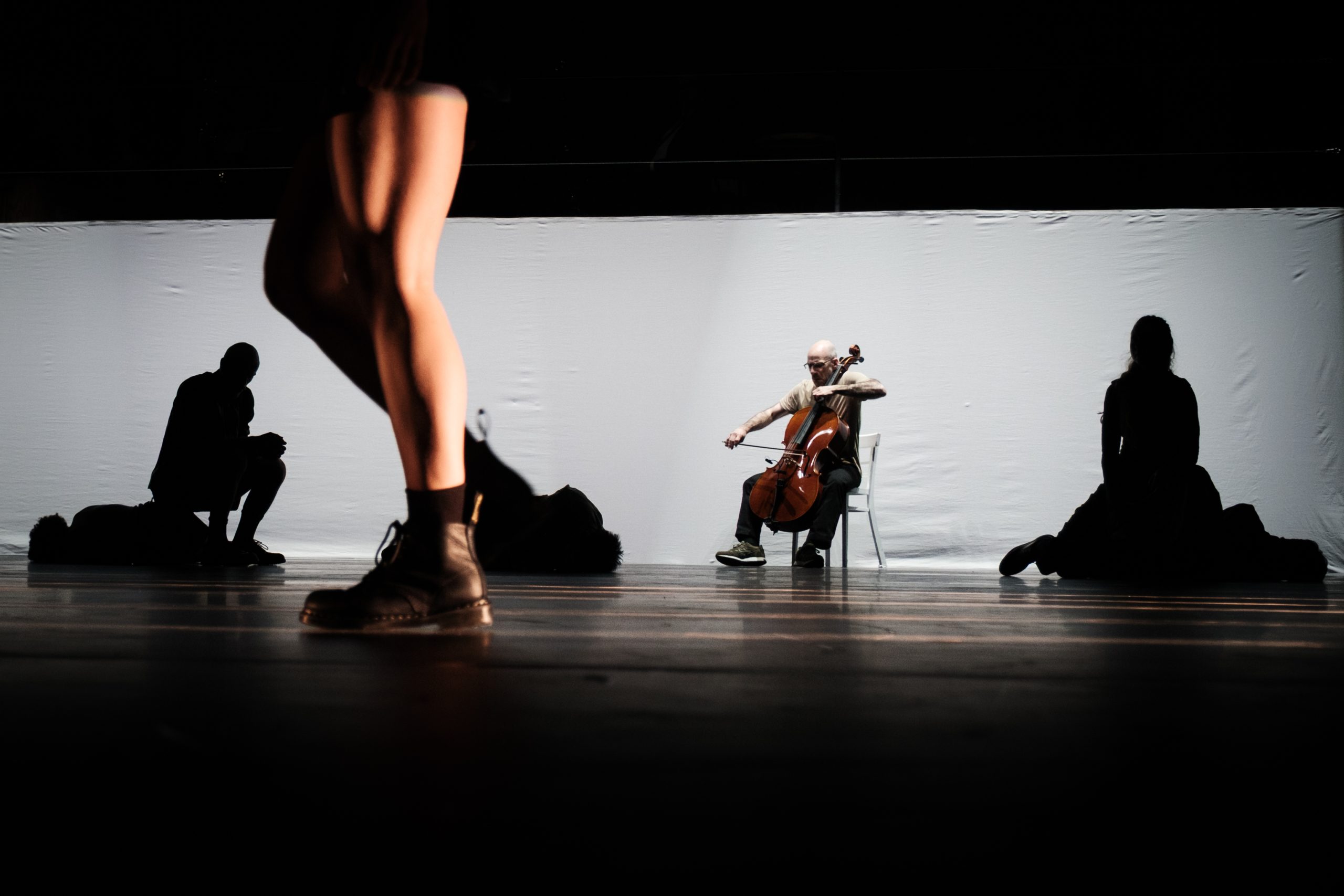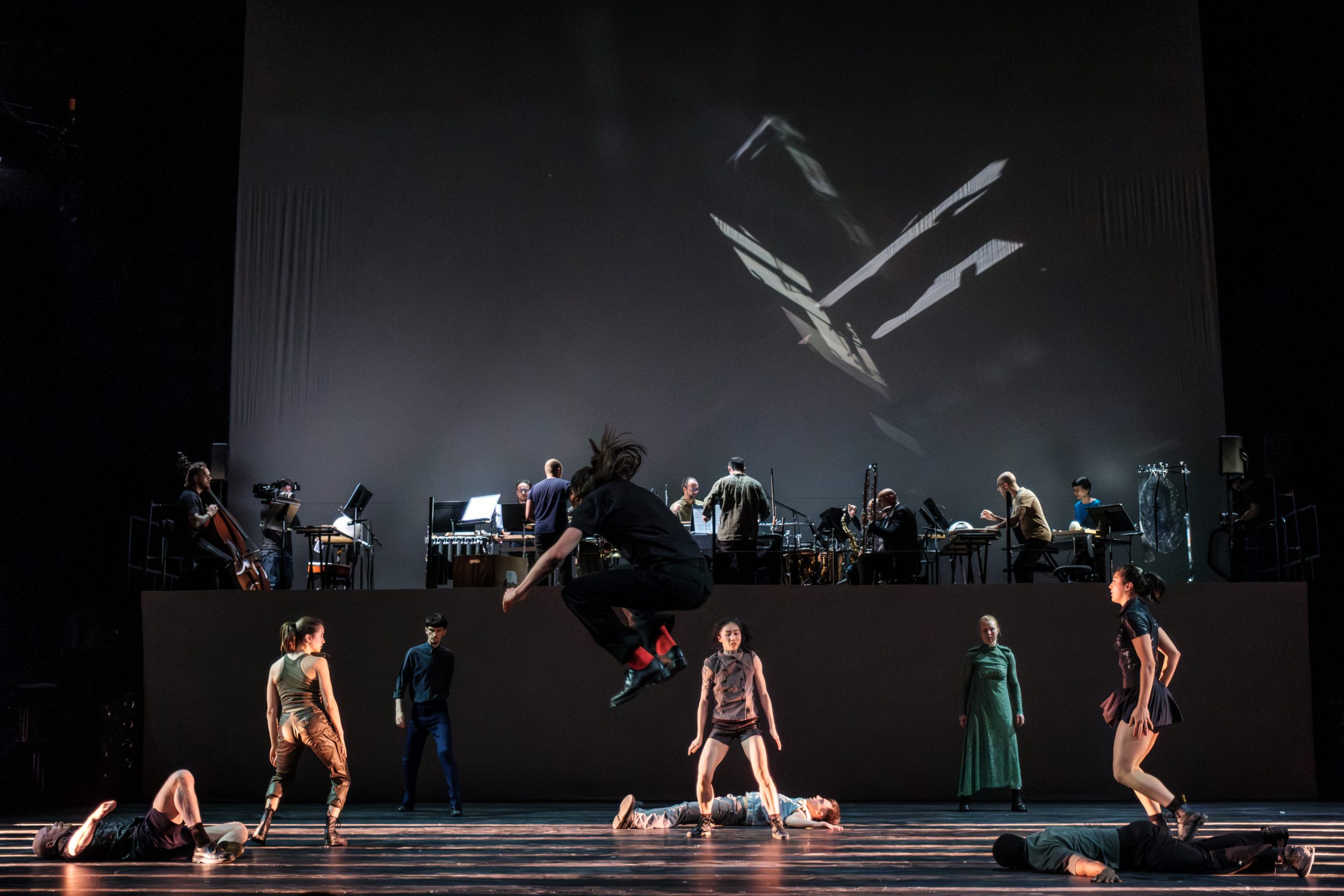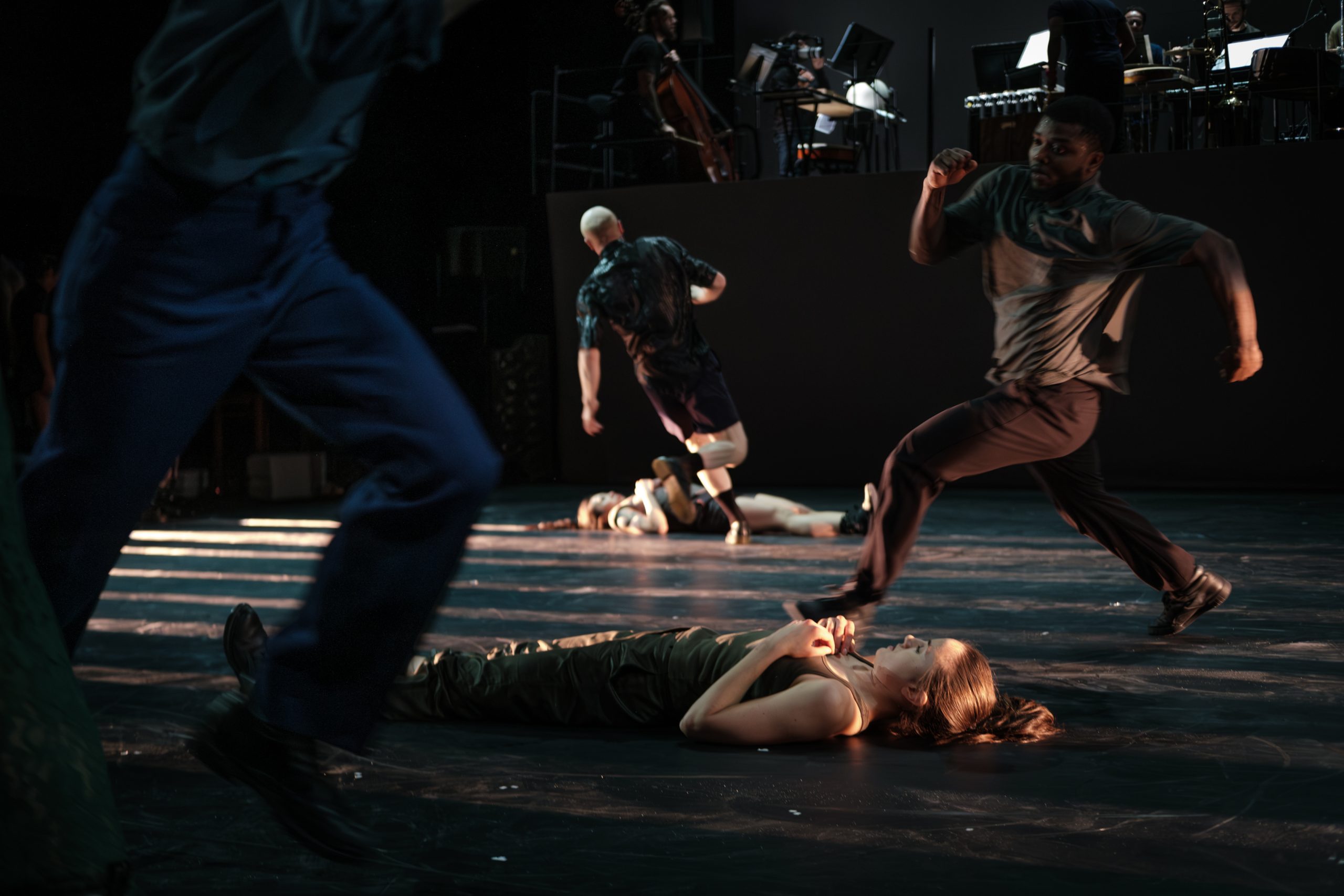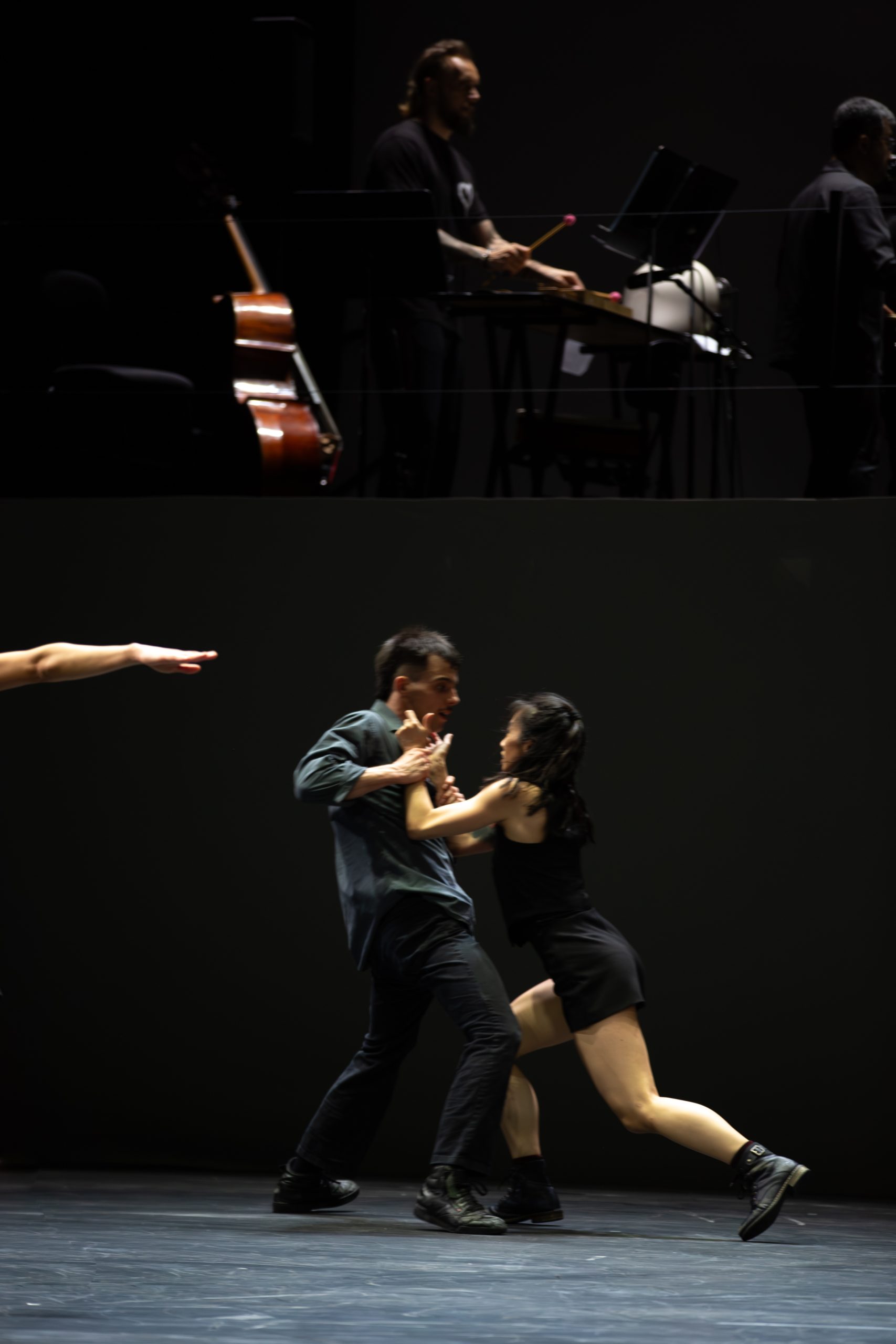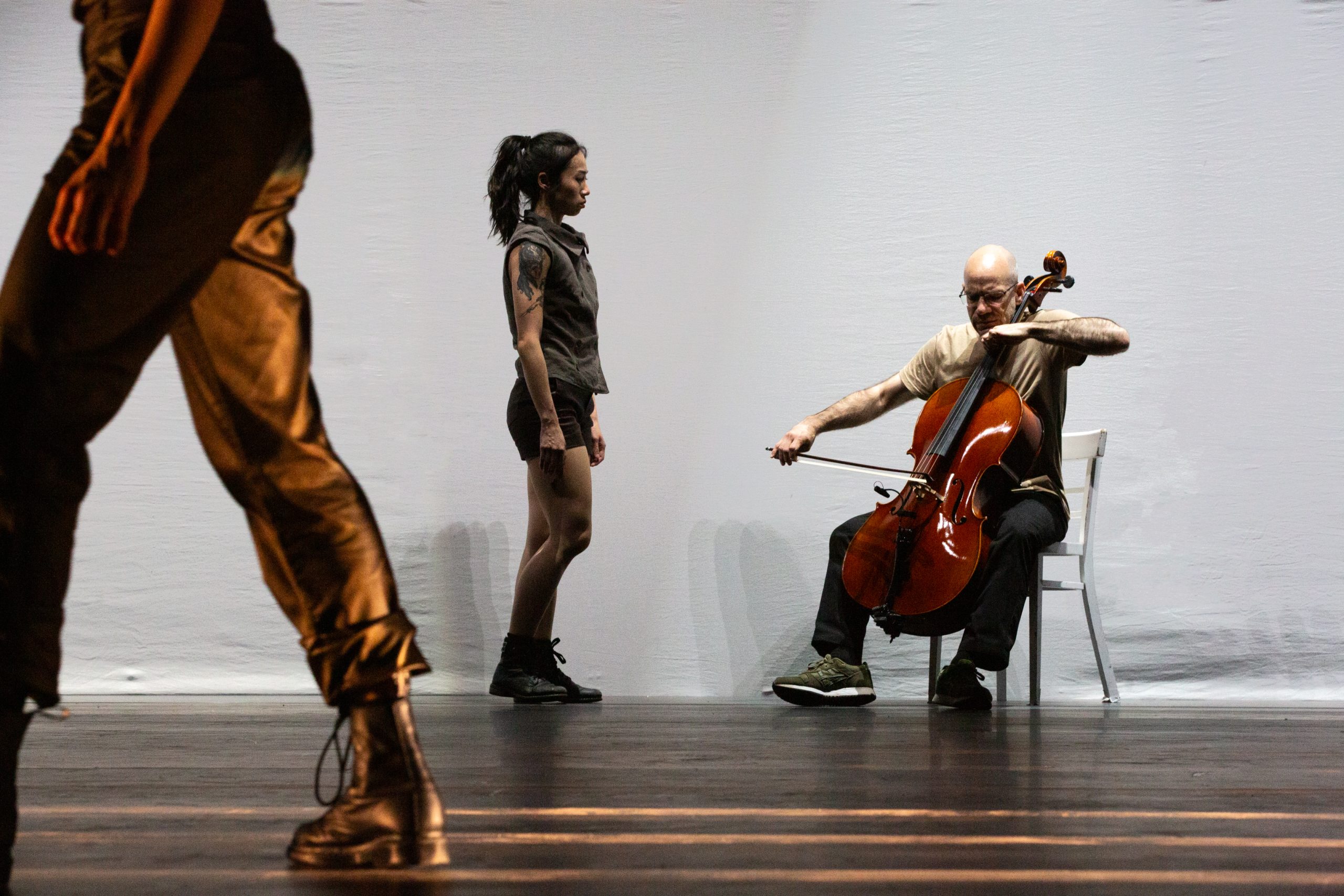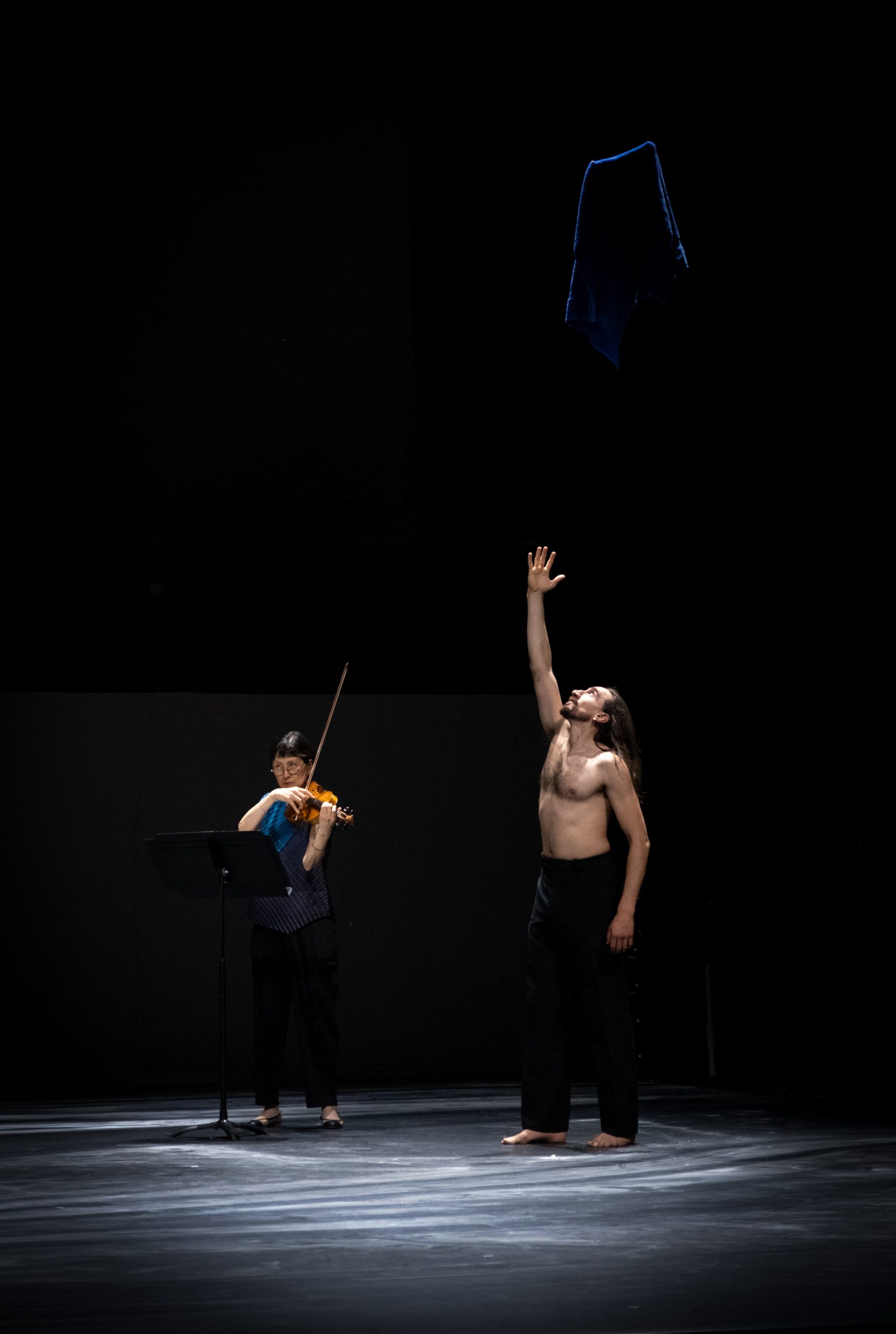



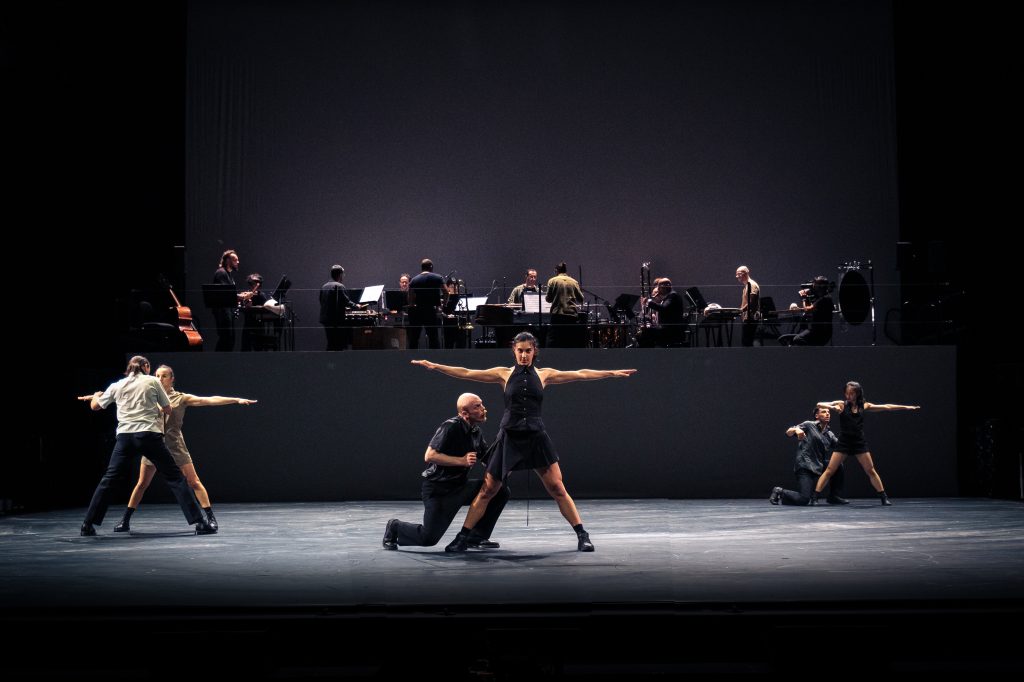
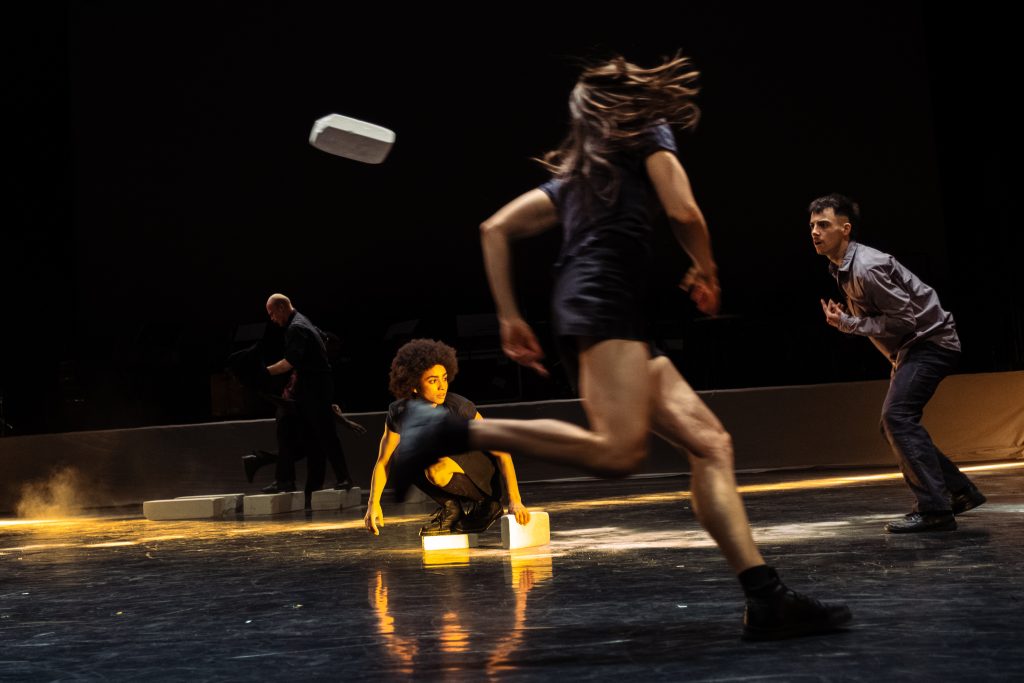
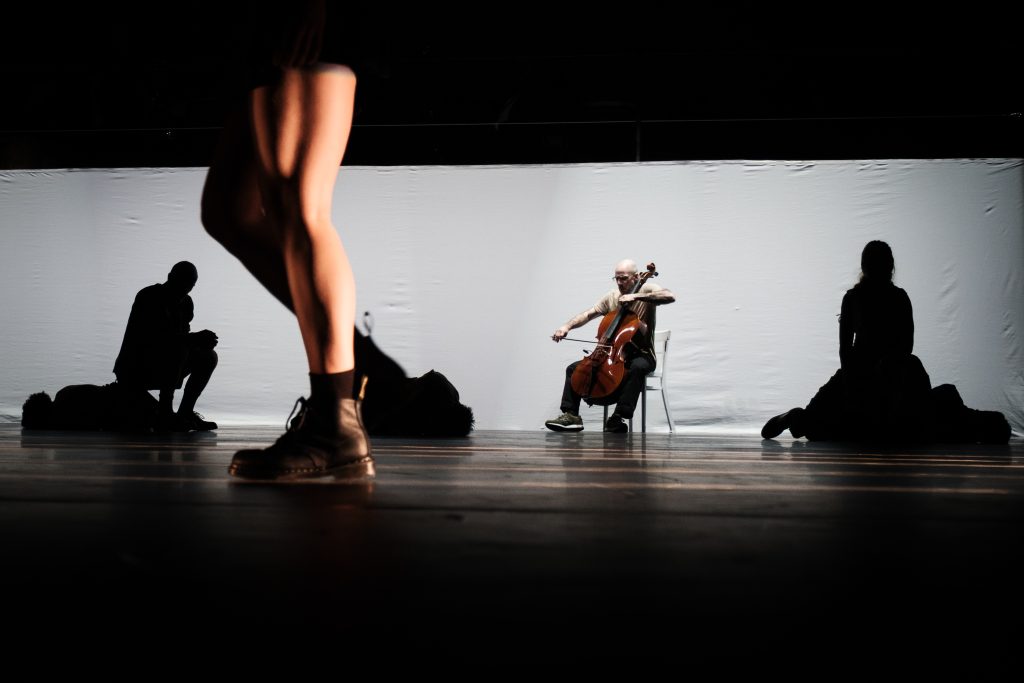
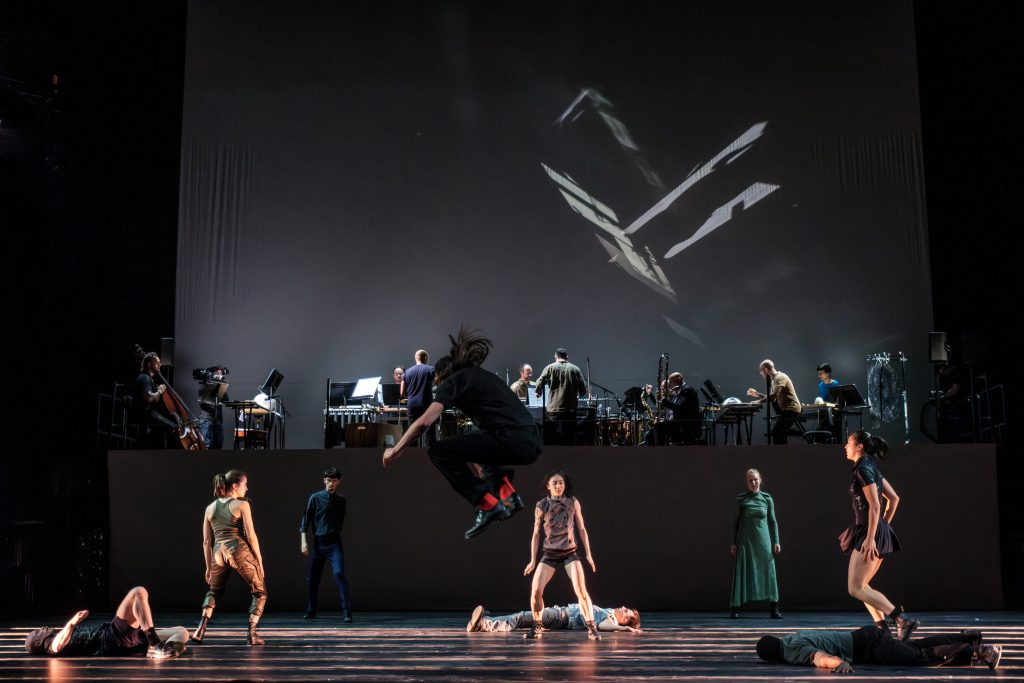
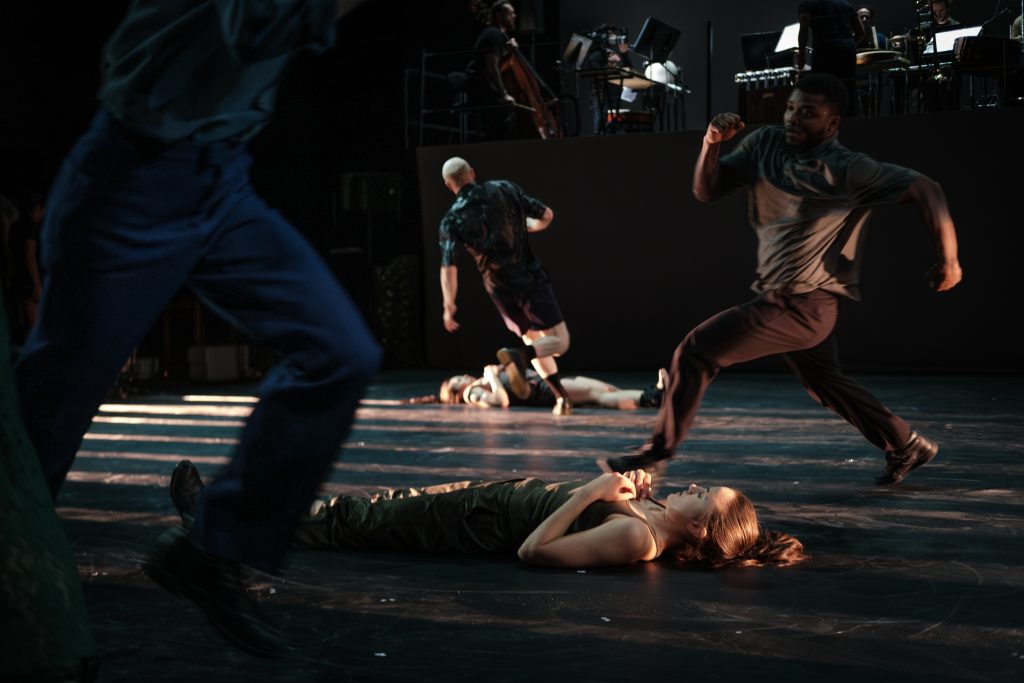
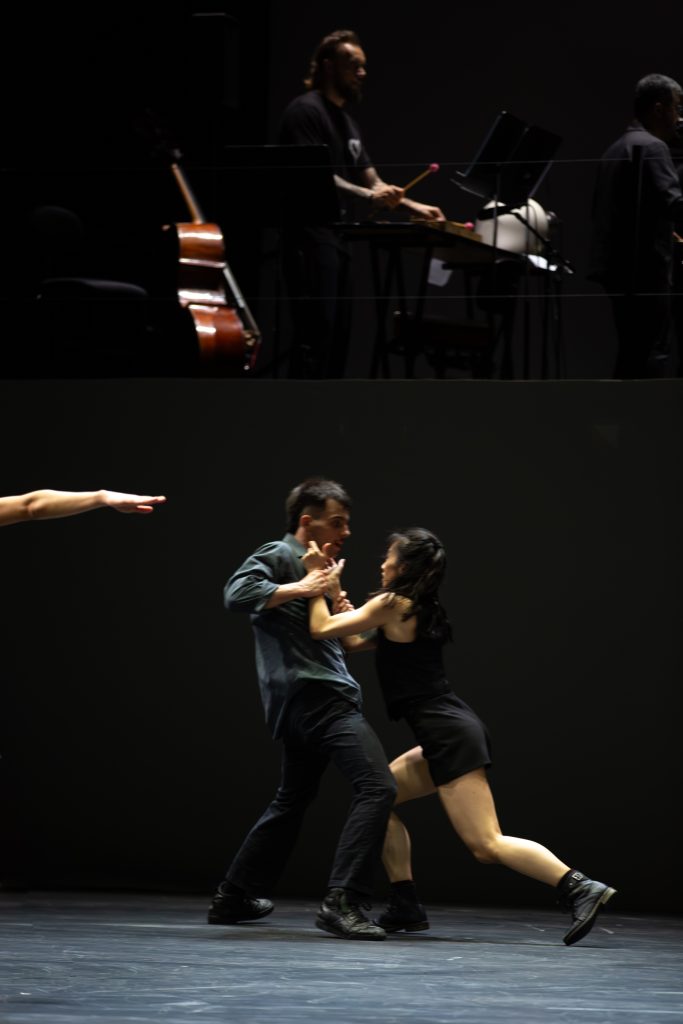
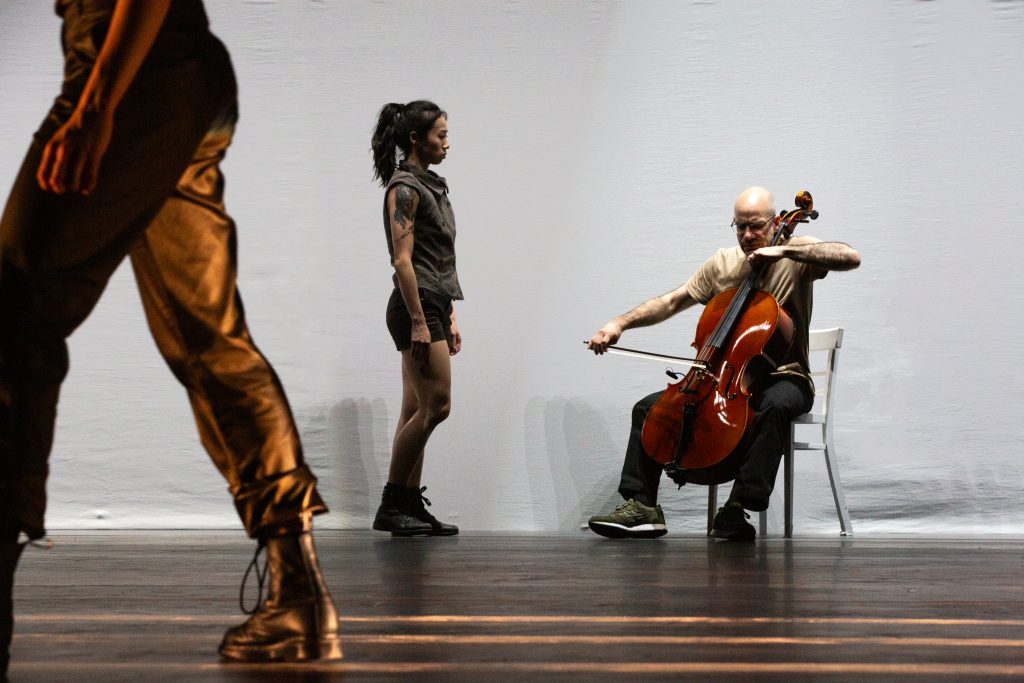
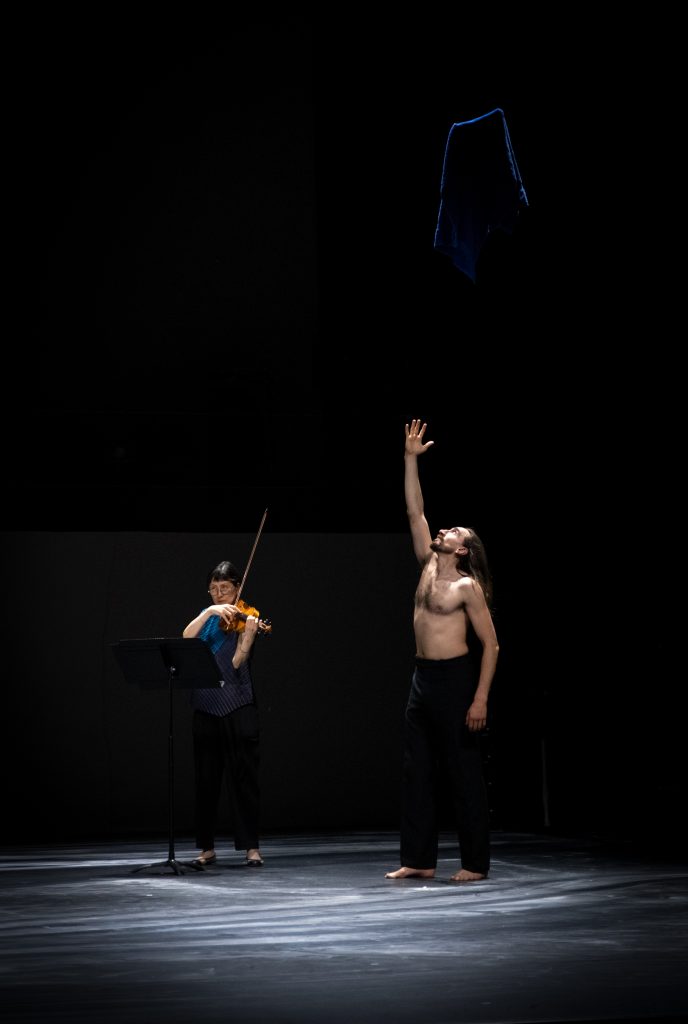
In 1987, Wim Vandekeybus made his debut with Ultima Vez, and with What the Body Does Not Remember he introduced a decisive rupture in the history of European contemporary dance. More than a debut, the work stands as a foundational gesture: an extreme physical writing built on risk, speed, collision, and instinct, in which the body is constantly pushed toward a threshold of real danger. It is here that Vandekeybus’ vocabulary is defined—tension, reflex, friction, unpredictability—in an unstable balance between attraction and repulsion that earned the piece the Bessie Award in New York.
Nearly forty years later, the return of this masterpiece to the Romaeuropa Festival does not take the form of a simple historical revival, but rather of a reinterpretation that relaunches its radical nature. After a first revival tour in 2013, the 2026 edition expands the original structure with 17 minutes of new music by Thierry De Mey and an unpublished scene, reactivating its legacy of risk, instinct, and survival.
Wim Vandekeybus is a choreographer, dancer, director, and photographer who founded the dance company Ultima Vez in the mid-1980s. His debut, What the Body Does Not Remember (1987), won a Bessie Award, as did his second work, Les porteuses de mauvaises nouvelles (1989).
Vandekeybus is known for his unique movement language, which connects intuition, impulse, and instinct with energy, risk, and danger, often exploring the conflict between body and mind. His work is characterized by associative montages that weave together dance, live music, and film, as well as numerous collaborations with contemporary musicians and authors. Over time, his creations have evolved from a focus on physical tension toward more complex narratives and social themes, gaining widespread international recognition.
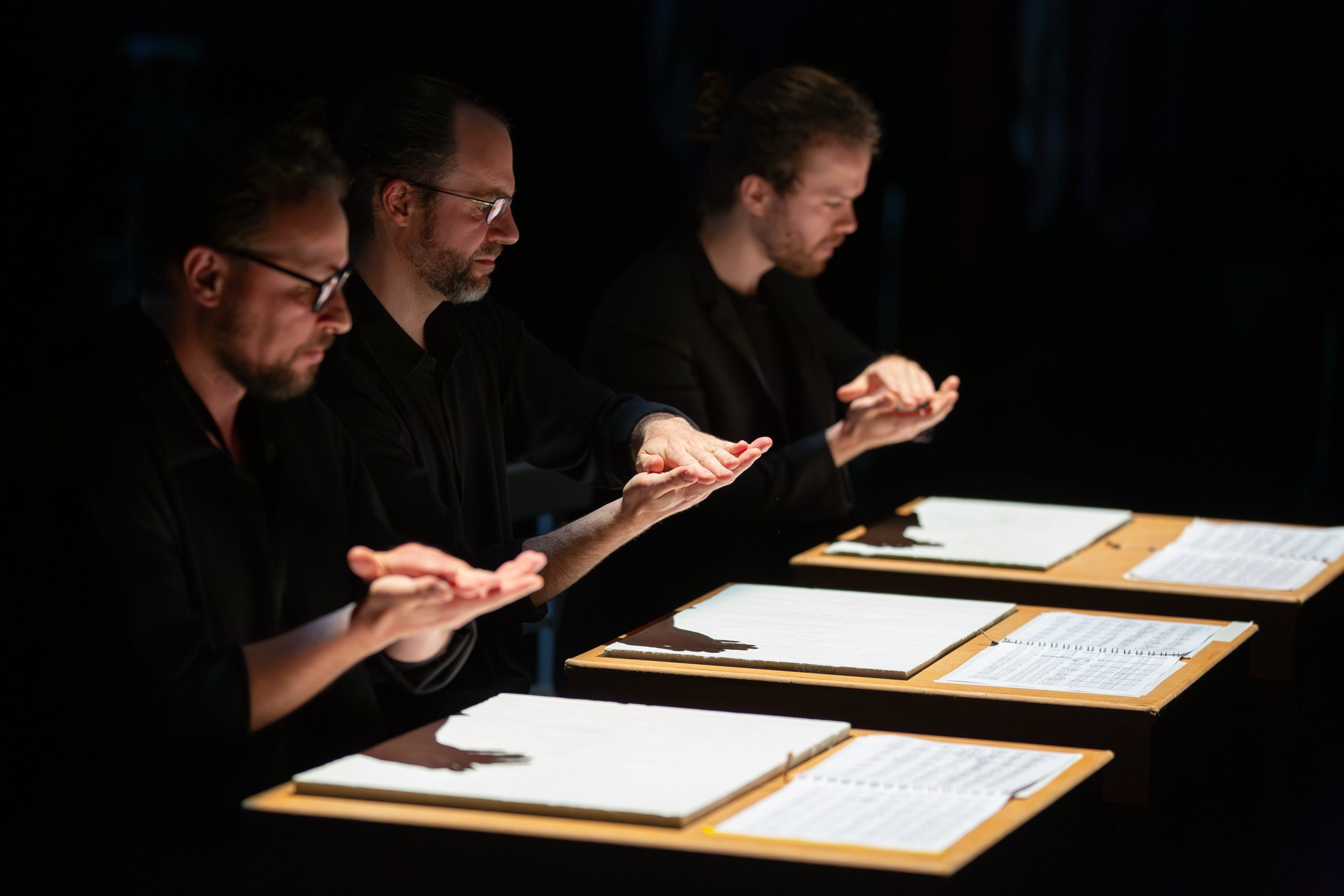
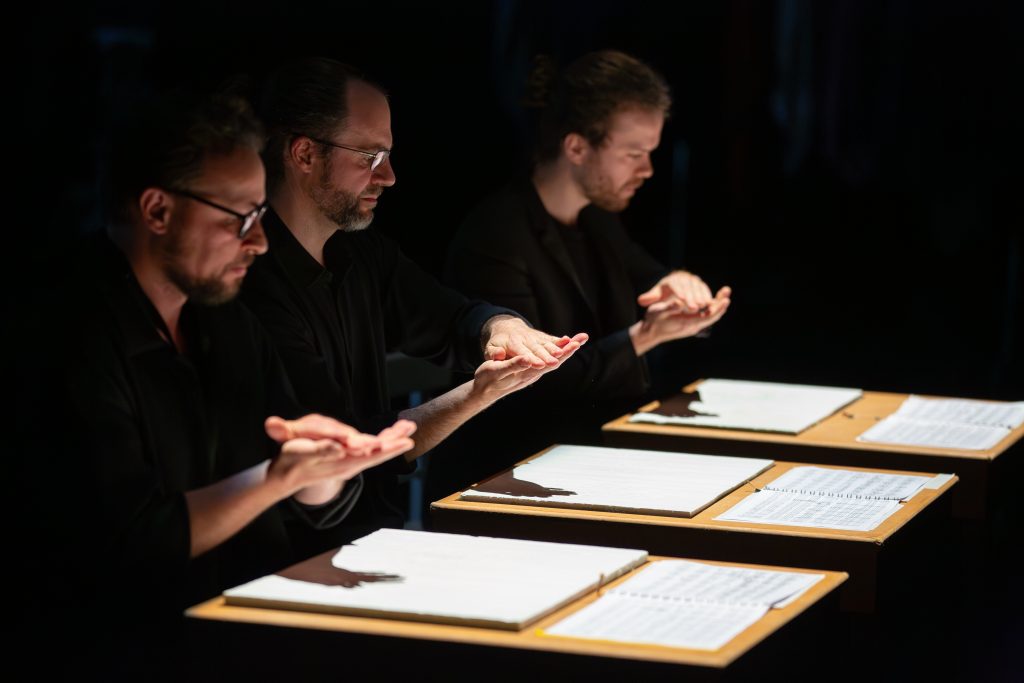
Thierry De Mey, born in Brussels in 1956, is a composer, director, and percussionist known for integrating mathematical structures into his artistic work. Influenced by Henri Van Lier and Fernand Schirren, he developed a vision of rhythm as movement.
He is a co-founder of the group Maximalist! and the Ensemble Ictus, and has collaborated extensively with choreographers such as Wim Vandekeybus and Anne Teresa De Keersmaeker. His compositions, including Musique de Tables (1987), explore the boundaries between music and movement, often through complex hand gestures that evoke a choreographic dimension. His work has received numerous international awards and accolades, blending dance, cinema, and music into a coherent and original artistic expression.
Peter Vermeersch, born in 1959, began his career studying architecture before dedicating himself to music, playing the clarinet and saxophone in various groups. In 1984, he co-founded the influential collective Maximalist! and later formed the avant-garde band X-Legged Sally, known for its eclectic mix of genres and collaborations with choreographers like Wim Vandekeybus.
Vermeersch also founded the Flat Earth Society, a big band that combines 1930s music with contemporary arrangements. His compositions are characterized by the fusion of popular and classical languages, often built on minimalist and repetitive structures. He has also worked as a music producer, collaborating with prominent bands such as dEUS and Think of One.
Ultima Vez is a dynamic space dedicated to contemporary dance in Sint-Jans-Molenbeek (Brussels), founded by choreographer Wim Vandekeybus. It is a place where production and distribution take place under optimal conditions, and where creators share their artistic practices with one another and with a broad audience. Its activities include the artistic creations of Wim Vandekeybus, a support program for new authors (Ulti’Mates), and various participatory initiatives.
Direction and choreography
Wim Vandekeybus
Performed by
Cola Ho Lok Yee
Paola Taddeo
Adrian Thömmes
Hakim Abdou Mlanao
Lotta Sandborgh
Alessia Lanotte
Cory Hugo Milan
Faustino Blanchut
Koen Kaya Eye
Nikoletta Polyzoi
Original music
Thierry De Mey & Peter Vermeersch
Concept & realisation Tablemusic (BIS)
Thierry De Mey
Rehearsal director
Eduardo Torroja
Costume design
Isabelle Lhoas
Assisted by
Simon Perotti
Technical coordination
Pepijn Mesure
Sound technician
Schröder
Light technician
Sarah Feyen
Light on tour
Sarah Feyen
Koen de Saeger
3D visualisation light
Randall Diagre
Production
Heleen Schepens
Kenneth Raemaekers
Distribution
Julia Bouhjar
Soloists of Ensemble Intercontemporain for live version
Musical coordinator & percussion
Samuel Favre
Clarinet
Martin Adámek
Alain Billard
Jérôme Comte
Trombone
Lucas Ounissi
Piano
Hidéki Nagano
Sébastien Vichard
Saxophone
Vincent David (Additional musician)
Violin
Hae-Sun Kang
Cello
Renaud Déjardin
Double bass
Nicolas Crosse
Sound engineers EIC
Clément Marie, Yann Bouloiseau
Coproduction
Philharmonie de Paris, Scène Nationale de Maubeuge, KVS Brussels’ Flemish city theatre
Codirection
Ircam-Centre Pompidou, Philharmonie de Paris in the frame of ManiFeste-2026, Ircam festival
Presenting partners
Philharmonie de Paris
Romaeuropa Festival
L’Onde Théâtre Centre d’Art
Théâtre des Salins – Scène nationale de Martigues
Teatro della Tosse
Grand Théâtre de la Ville de Luxembourg
Le Manège Maubeuge – Scène nationale
Concertgebouw Brugge
CCHA – Cultuurcentrum Hasselt
STUK – House for Dance, Image & Sound
La Monnaie / De Munt
With the support of
Tax Shelter measure of the Belgian Federal Government, uFund, Ultima Vez is supported by the Flemish Community & the Flemish Community Commission of the Brussels Capital Region.