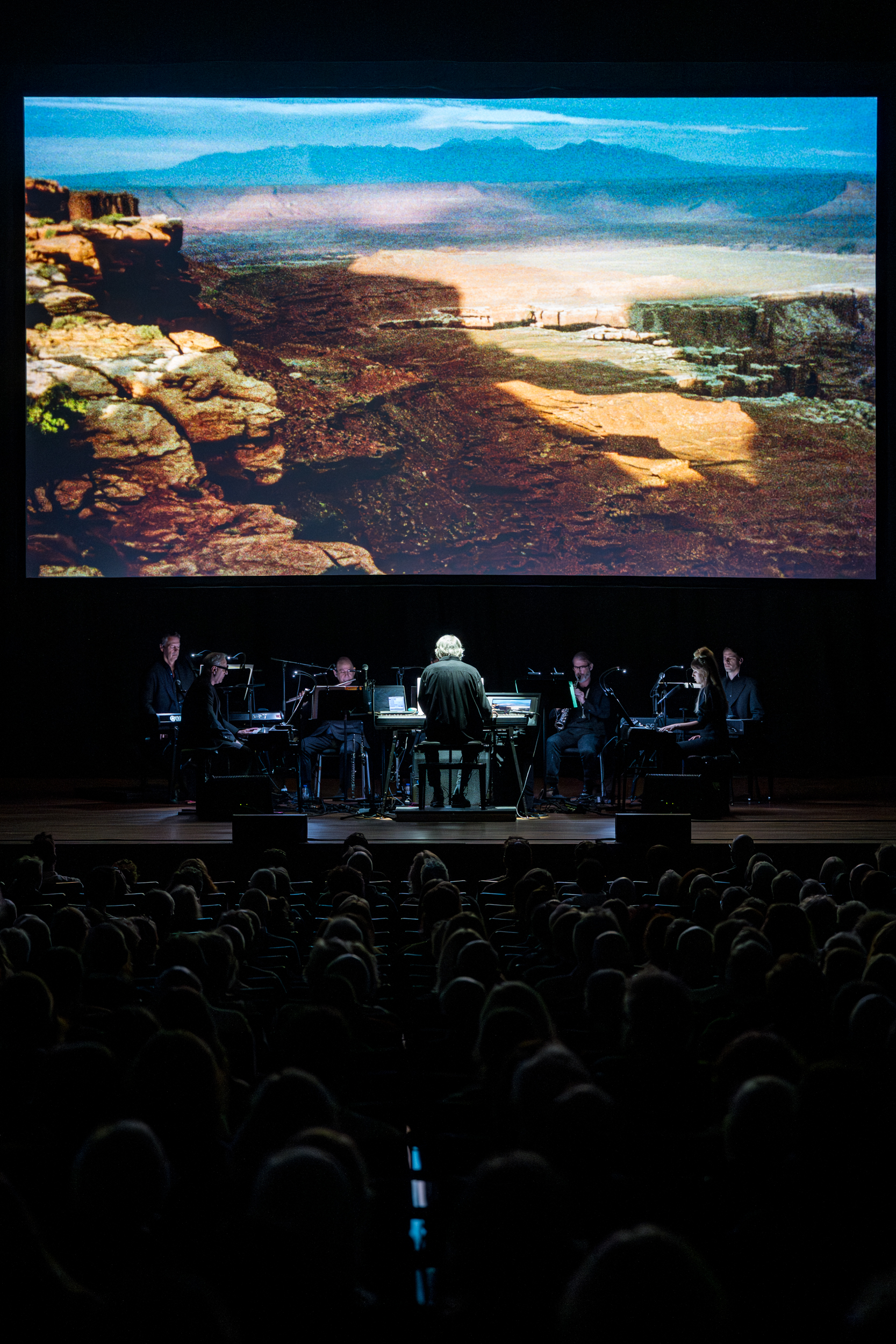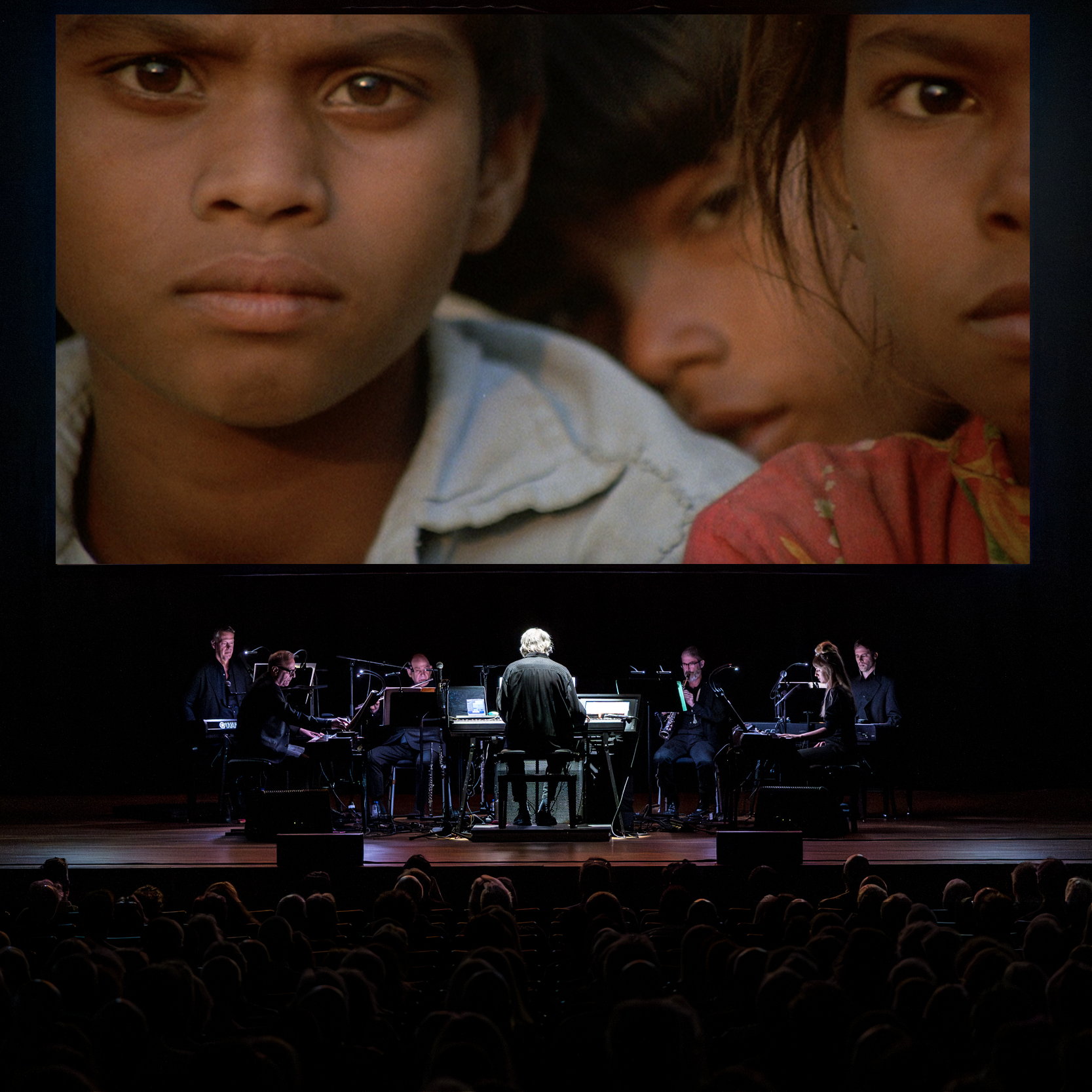



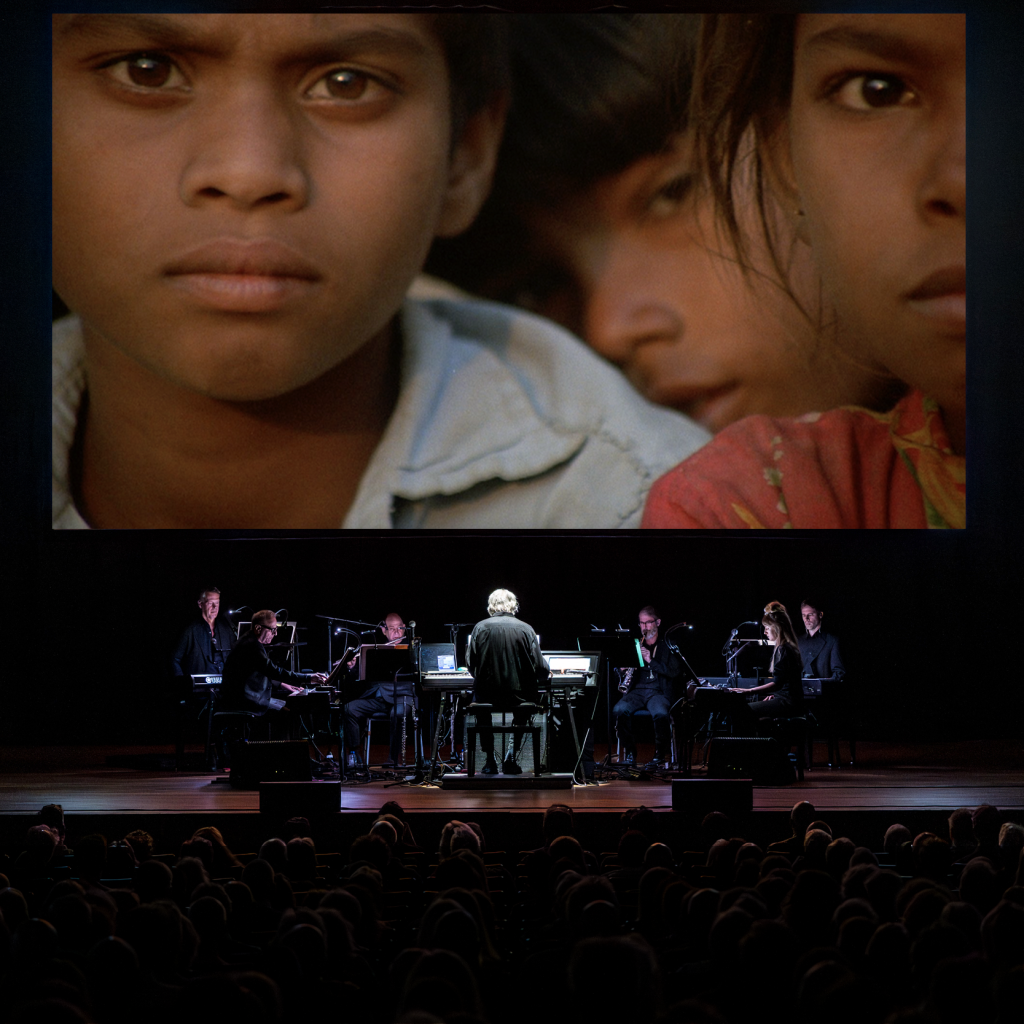
Powaqqatsi, from the Hopi language meaning “a way of life that consumes other lives,” is the second chapter of the Qatsi trilogy created by Godfrey Reggio and Philip Glass. Completed in 1988, immediately after Koyaanisqatsi, the film continues Reggio’s reflection on the relationship between humanity, development, and global transformation, shifting the focus toward the Global South and the tensions between traditional cultures and modernisation.
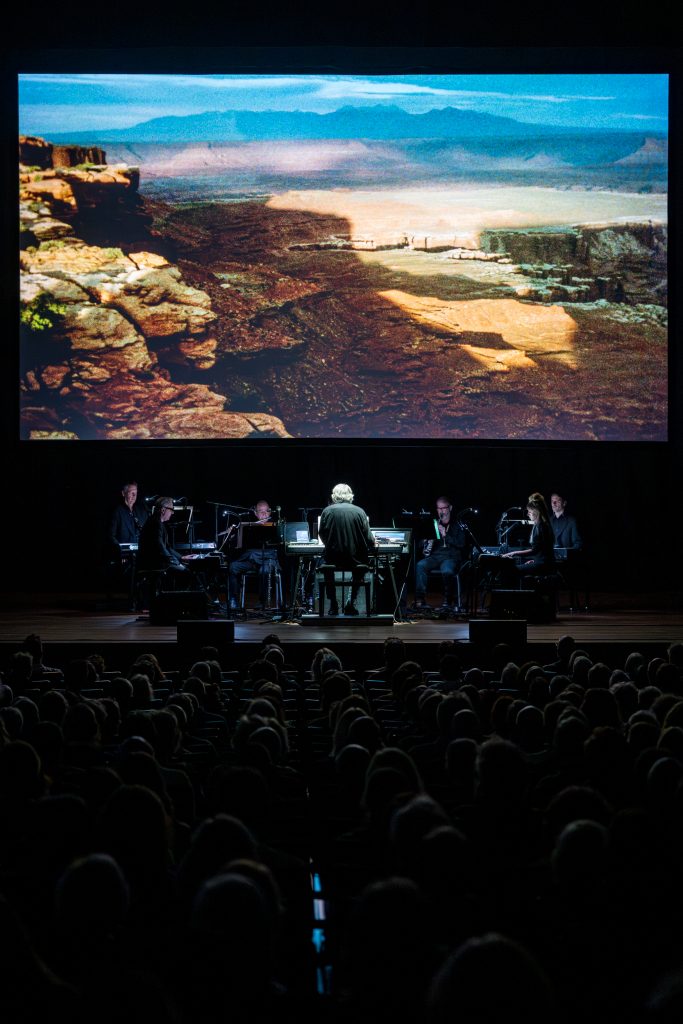
The music is not a mere accompaniment to the images: it sustains them, moves through them, and transforms them. The work marks a significant step in Glass’s artistic evolution: alongside the hypnotic, modular structure that characterises his language, there is an expansion of timbral and rhythmic complexity, with more layered orchestral colours and the opening to musical influences drawn from non-Western traditions.
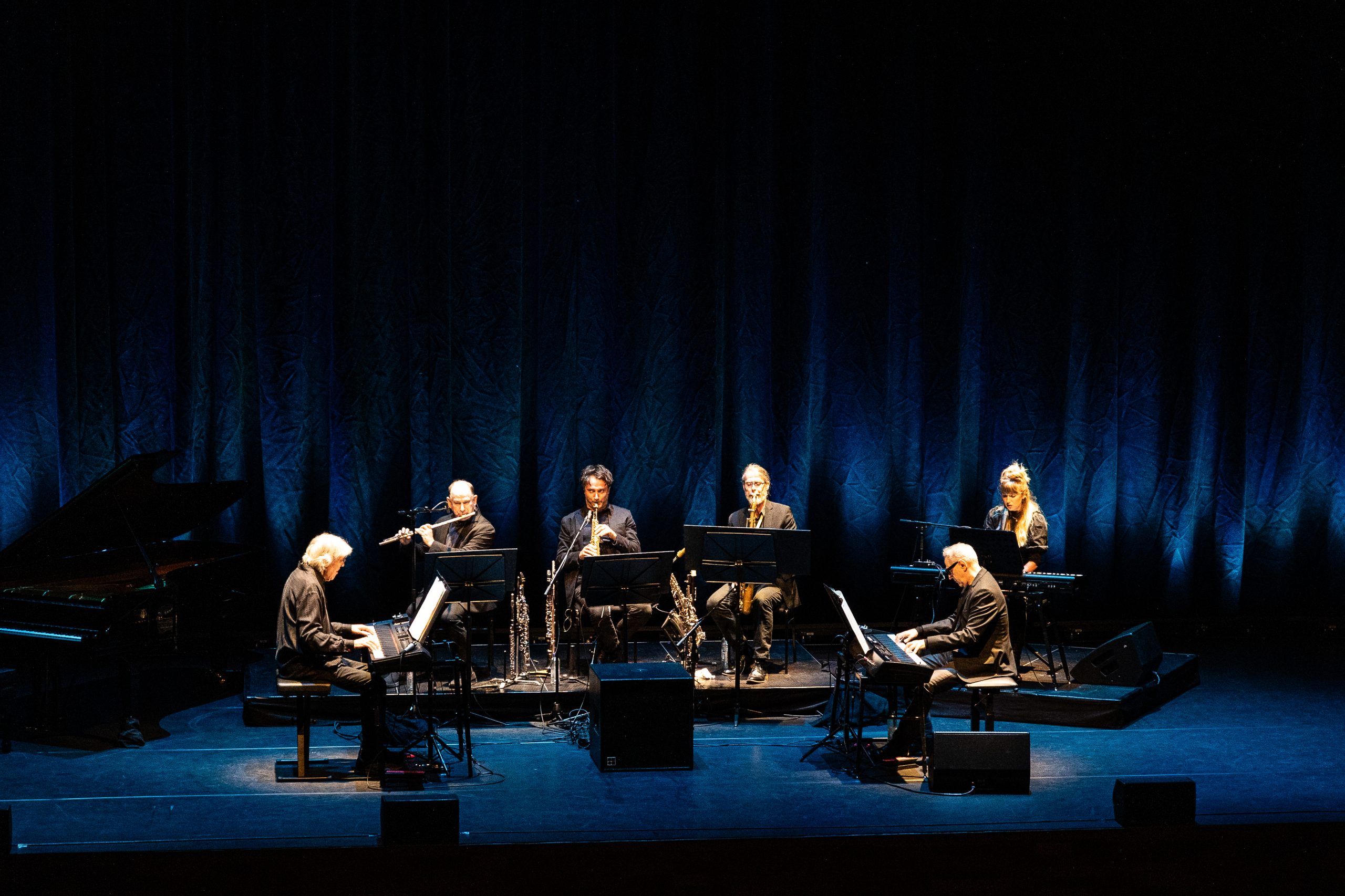
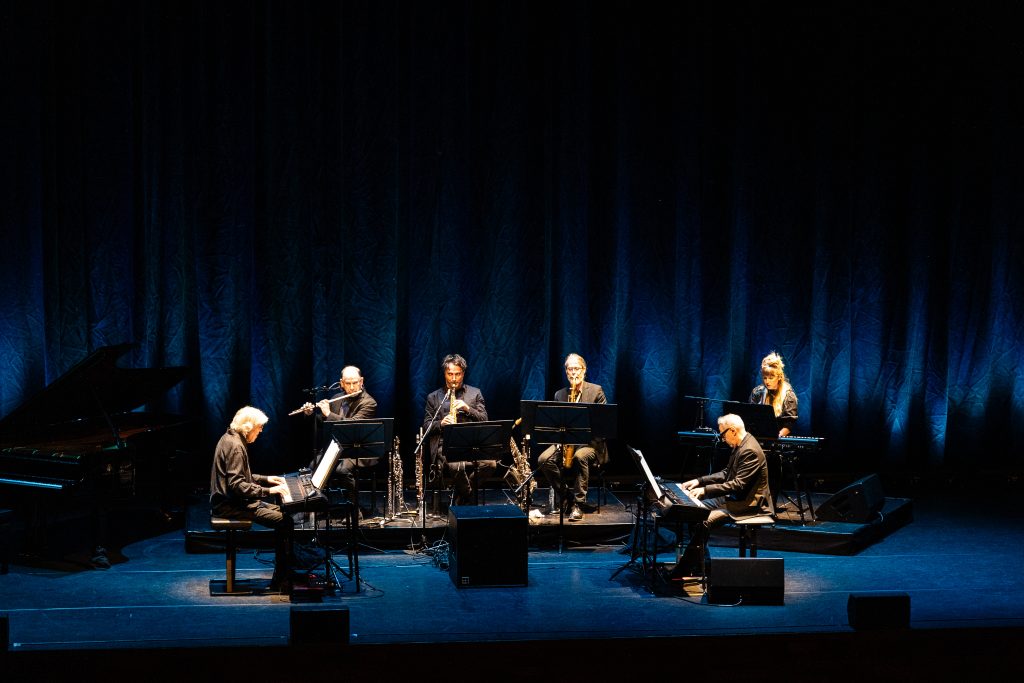
Never before performed in Rome, Powaqqatsi is presented by the Philip Glass Ensemble on the occasion of the 40th edition of the Romaeuropa Festival, restoring the work to its original dimension as a total experience, where orchestra and images breathe together, bringing back to the centre one of the most emblematic chapters of Glass’s sonic universe.
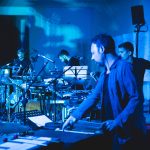
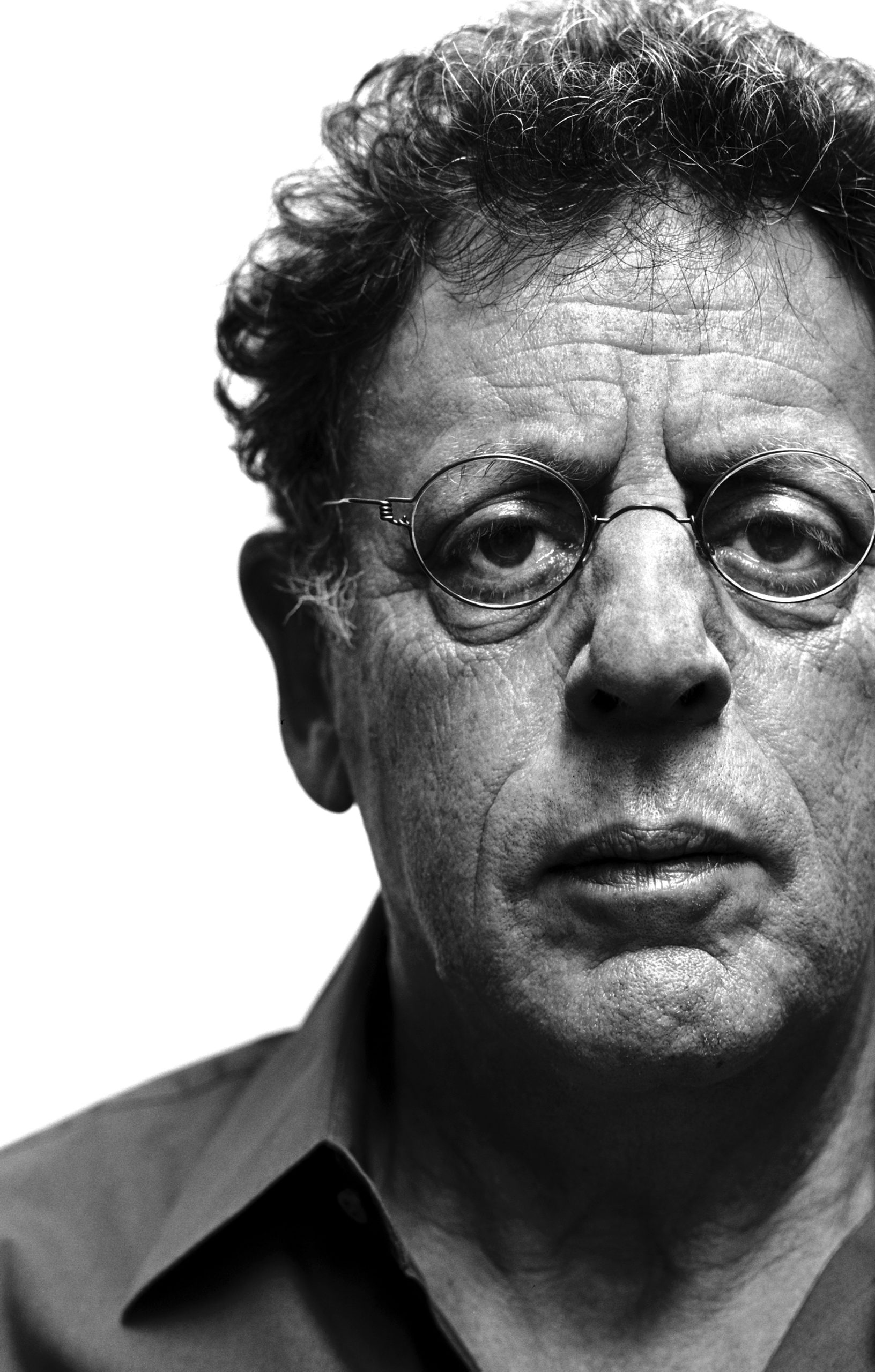
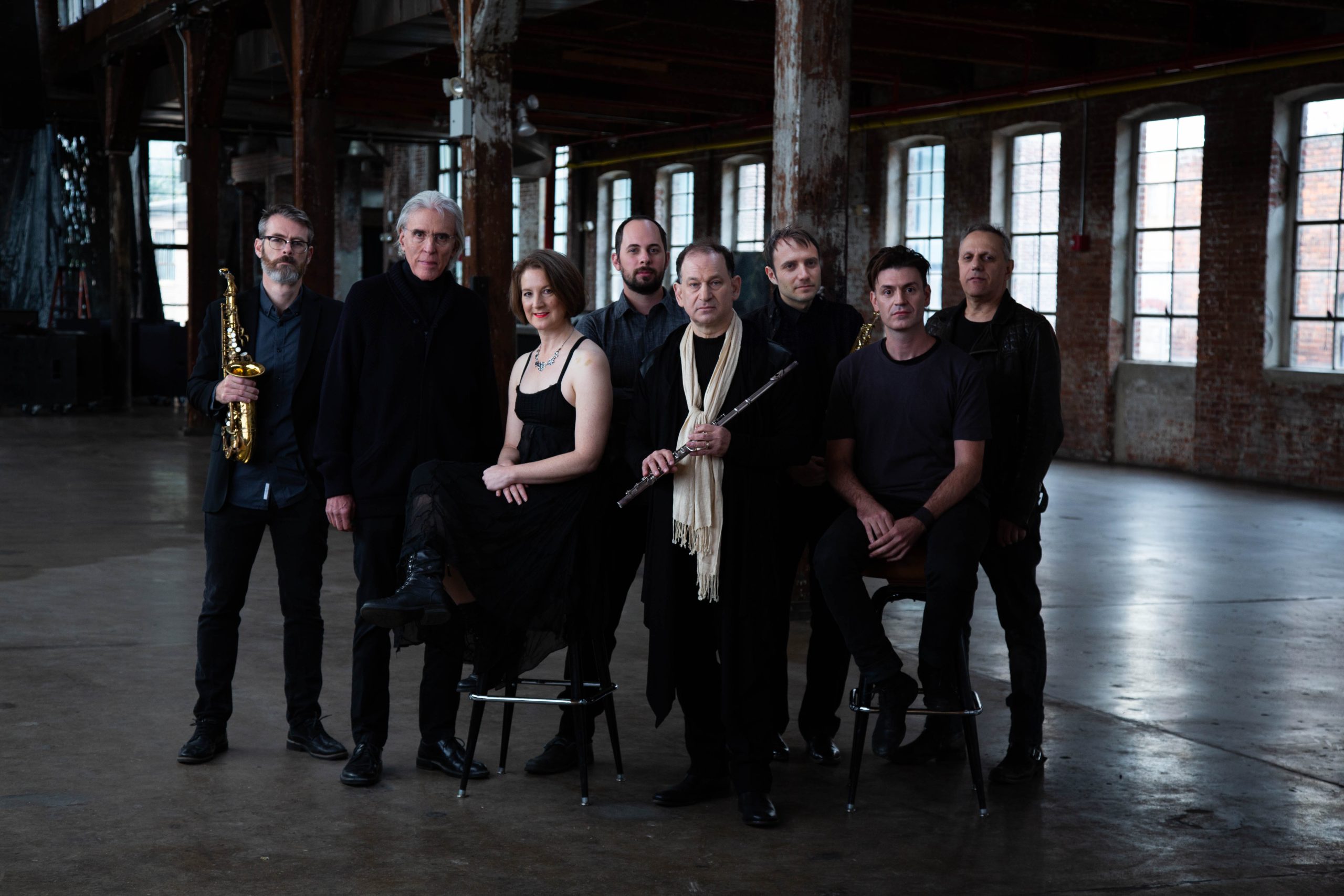
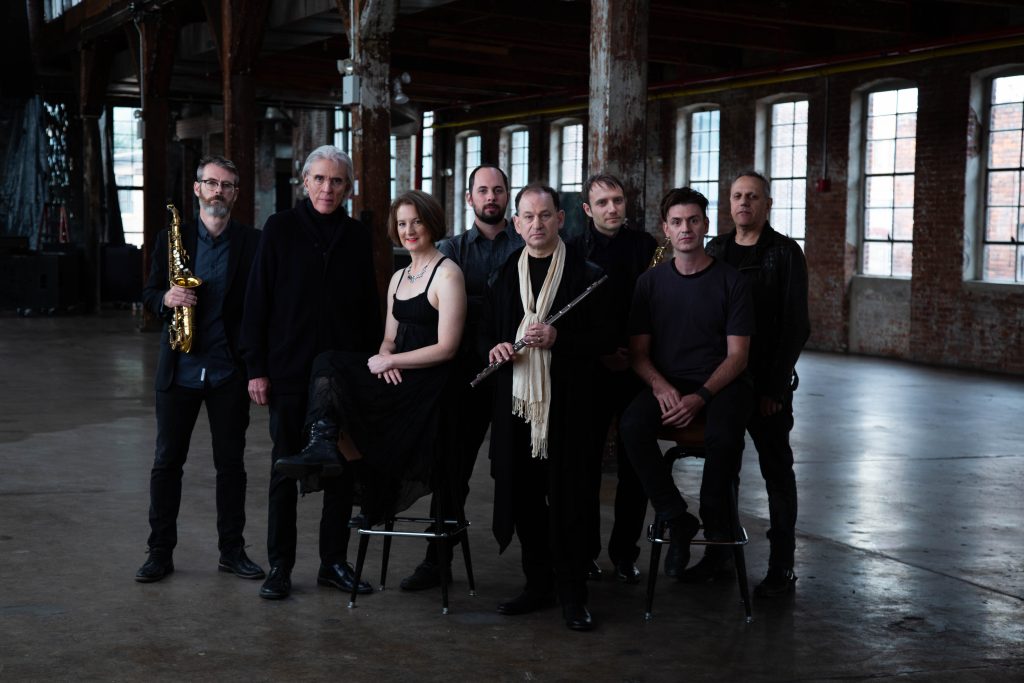
The Philip Glass Ensemble (PGE) brings together the principal interpreters of Philip Glass’s music. In 1968, Glass founded the PGE in New York as a laboratory for his music. His aim was to develop a performance practice capable of meeting the new technical and artistic demands of his compositions. Pioneering this approach, the PGE became a key creative source for Glass, and its members remain unparalleled interpreters of his work.
The artists of the PGE recognise their unique position in the musical history of the past half-century, and the transmission of this legacy is central to their practice, with a deep commitment to training new generations of artists in the authentic performance of Philip Glass’s music.
The PGE made its debut at the Whitney Museum of American Art in 1969 and, in its early years, performed mainly in galleries, artist lofts, and museums within the vibrant SoHo art community. Over the following five decades, the ensemble has appeared at world-renowned festivals and concert halls across five continents and has recorded for Sony, Nonesuch, and Orange Mountain Music.
Many of Philip Glass’s most celebrated works were composed specifically for the PGE, including the seminal concert pieces Music in Twelve Parts, Music in Similar Motion, and Music with Changing Parts; opera and music theatre projects such as Einstein on the Beach, Hydrogen Jukebox, 1000 Airplanes on the Roof, and Monsters of Grace; and long-form choreographic works like Dance (Lucinda Childs) and A Descent Into the Maelström (Australian Dance Theatre).
The PGE is also widely acclaimed for its scores for Godfrey Reggio’s wordless film trilogy: Koyaanisqatsi, Powaqqatsi, and Naqoyqatsi. The ensemble also appears in Glass’s works La Belle et la Bête and The Photographer. In 2026–2027, alongside an extensive touring schedule, the PGE will celebrate the 50th anniversary of Einstein on the Beach with a series of concert performances of the opera.
Michael Riesman (musical director, keyboards)
Lisa Bielawa (voice, keyboards)
Peter Hess (saxophones)
Ryan Kelly (on-stage audio)
Mick Rossi (percussion)
Sam Sadigursky (saxophone, flute)
Andrew Sterman (flute, piccolo, saxophone)
Frank Cassara (percussion)